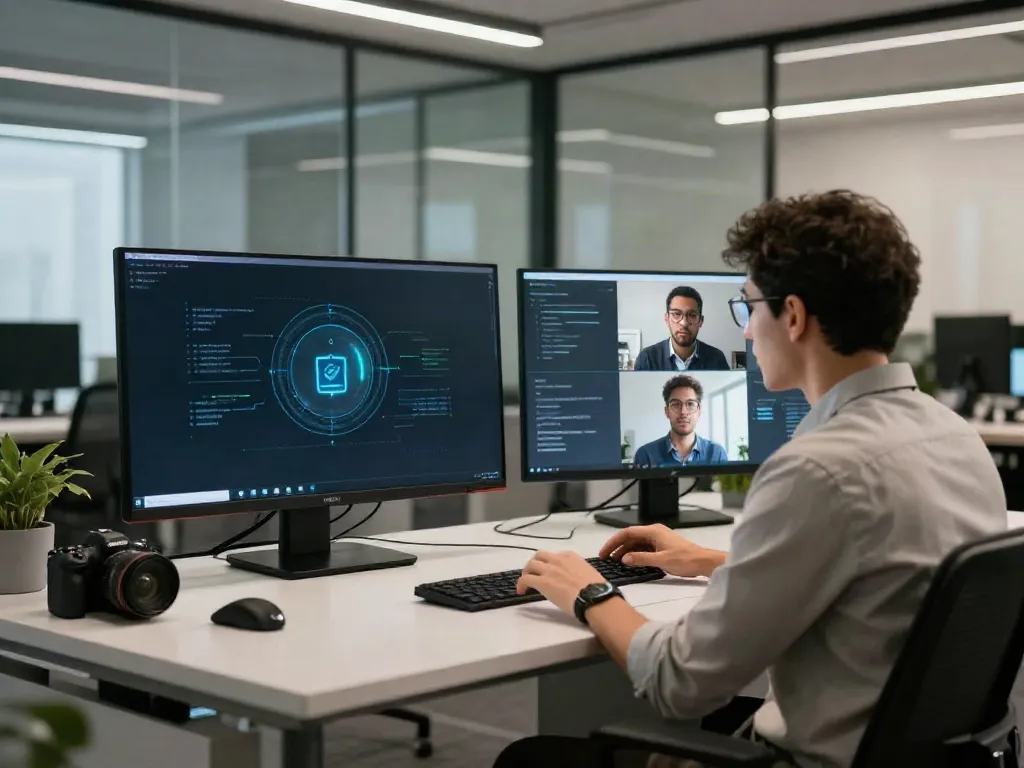
Understanding Deepfake Technology and Its Implications
As technology evolves at an unprecedented pace, one of the most significant advancements—and concerns—comes from artificial intelligence. Deepfake technology, which utilizes machine learning to create hyper-realistic audio and video mimicking real people, poses grave threats to personal privacy, business security, and even democracy. With the rise of virtual meetings, these threats are amplified, making it essential for organizations to understand how to mitigate the risks associated with deepfakes. Deepfake protected meetings are becoming a critical necessity in this scenario, ensuring that communication remains secure and authentic.
What are Deepfakes?
Deepfakes are digital content alterations that use AI algorithms, particularly deep learning techniques, to create lifelike representations of individuals. These manipulations can be applied to both audio and visual formats, enabling the creation of videos where a person appears to say or do something they never actually did. The technology works by analyzing vast amounts of data—images, videos, and audio recordings—of the target individual, synthesizing new content that is often indistinguishable from reality.
Risks Associated with Deepfake Technology
The implications of deepfake technology are profound. As these tools become more accessible, so do the risks associated with their use. Misinformation campaigns can leverage deepfakes to manipulate public opinion, cause financial harm through fraudulent actions, or even incite violence. The potential for reputational damage to individuals and organizations is staggering, especially for businesses relying on trust and integrity in their communications. In the context of virtual meetings, the ability for anyone to impersonate a key stakeholder poses severe risks, including data breaches and unauthorized access to sensitive information.
Importance of Protecting Meetings
In a world increasingly reliant on virtual interactions, the importance of protecting meetings from deepfake threats cannot be overstated. Ensuring that participants can trust the identities of those they are communicating with is vital for transparency and security. Implementing robust measures to secure deepfake protected meetings not only safeguards against impersonation and misinformation but also reinforces the trust necessary for effective collaboration in a remote environment.
Key Features of Deepfake Protection Systems
How Encryption Enhances Meeting Security
Encryption is a cornerstone of digital security, and its application in protecting virtual meetings is vital. By encrypting audio and video streams, organizations can ensure that even if a deepfake is introduced, it will be significantly more challenging for attackers to manipulate the content in real-time. Strong encryption protocols also safeguard against interception, ensuring that sensitive information remains private.
Real-Time Monitoring for Identifying Threats
Implementing real-time monitoring tools is an essential strategy for identifying and mitigating deepfake threats during virtual meetings. These systems analyze audio and video feed behaviors, looking for anomalies that may indicate a deepfake is in play. Early detection can help swiftly address potential breaches, making it harder for malicious actors to succeed.
Integrating AI for Improved Detection
As deepfake technology continues to evolve, so too must the detection methods employed by organizations. Artificial intelligence can be leveraged to create systems that analyze visual and audio data for telltale signs of deepfake manipulation. Utilizing machine learning algorithms that adapt to new deepfake techniques allows organizations to stay one step ahead of threats.
Implementing Best Practices for Secure Virtual Meetings
Establishing Clear Protocols for Team Communication
One of the most effective ways of securing virtual meetings is by establishing clear communication protocols. Teams should be trained to recognize the signs of potential deepfake content, including unusual behaviors or statements that seem out of character for the individual. Regularly updated guidelines can help mitigate risks, fostering an environment where security is prioritized.
Utilizing Secure Platforms and Tools
Choosing the right virtual meeting platforms is crucial for securing communications. Opt for tools that offer robust security features such as end-to-end encryption, secure authentication methods, and user access controls. Platforms that integrate deepfake protection specifically designed for remote meetings can provide additional layers of safety.
Regular Training on Cybersecurity Awareness
Cybersecurity awareness training for all employees is fundamental in combating deepfake threats. Regular workshops and training sessions can keep teams informed about the latest tactics employed by cybercriminals, as well as instill a culture of vigilance. Everyone in the organization should understand the importance of security and their role in maintaining it.
Measuring the Effectiveness of Deepfake Protection
Key Metrics for Evaluating Security Systems
To gauge the effectiveness of deepfake protection measures, organizations should track specific metrics. These can include the number of detected deepfake attempts, response times to potential breaches, and feedback from meeting participants regarding their confidence in security measures. Continuous assessment of these metrics can inform necessary adjustments to security protocols.
Feedback Mechanisms for Continuous Improvement
Establishing feedback mechanisms can facilitate continuous improvement in deepfake protection strategies. Surveys and suggestion boxes after meetings can provide insights into participants' perceptions of security and areas where improvements can be made. This proactive approach ensures that security measures evolve alongside emerging threats.
Case Studies on Successful Implementations
Analyzing case studies of organizations that successfully implemented deepfake protection can offer valuable lessons. For example, a major financial firm reported a significant decrease in security incidents after adopting AI-driven monitoring tools. By sharing such successes within the industry, organizations can learn best practices and avoid common pitfalls.
Future Trends in Meeting Security for 2026 and Beyond
Emerging Technologies in Deepfake Detection
As the landscape of digital communication evolves, emerging technologies will play a pivotal role in combating deepfake threats. Innovations in biometric verification, such as voice and facial recognition, are expected to become mainstream, significantly enhancing security during virtual meetings. These technologies can provide verification checks that are difficult to bypass.
Predictions for Virtual Meeting Security Enhancements
Looking ahead to 2026, we predict that virtual meeting platforms will increasingly integrate sophisticated security measures, including built-in deepfake detection capabilities. These platforms will utilize machine learning to continuously learn and adapt to new threats, providing organizations with up-to-date defenses in a rapidly changing landscape.
Preparing for Evolving Cyber Threats
As cyber threats continue to evolve, organizations must prepare for an increasingly complex battle against deepfake technology. Staying informed about the latest developments in cybersecurity and investing in robust protective measures will be critical. This includes ongoing assessments of technology and protocols to ensure they meet the demands of an ever-changing threat landscape.
What are deepfake protected meetings?
Deepfake protected meetings are virtual communications secured with advanced technologies designed to detect and mitigate the risks posed by deepfake content. These meetings utilize encryption, real-time monitoring, and AI integration to ensure that participants can trust the authenticity of the information being shared.
How can I ensure my virtual meetings are secure?
To secure your virtual meetings, establish clear communication protocols, utilize secure platforms that offer encryption and authentication, and provide regular training on cybersecurity awareness to your team. These measures will help mitigate the risks associated with deepfakes and other potential threats.
What technologies are effective against deepfake threats?
Effective technologies against deepfake threats include AI-driven detection systems, biometric verification tools, and robust encryption methods. These technologies work together to safeguard virtual communications from potential manipulations and unauthorized access.
How frequently should I update my security protocols?
Security protocols should be reviewed and updated regularly—at least annually or whenever new threats are identified. Frequent assessments allow organizations to adapt to emerging trends and maintain effective defenses against deepfake threats.
What are the consequences of deepfake breaches in meetings?
Deepfake breaches in meetings can lead to significant consequences, including reputational damage, financial loss, and loss of trust among clients and stakeholders. Organizations may also face legal ramifications if sensitive information is compromised or misused.