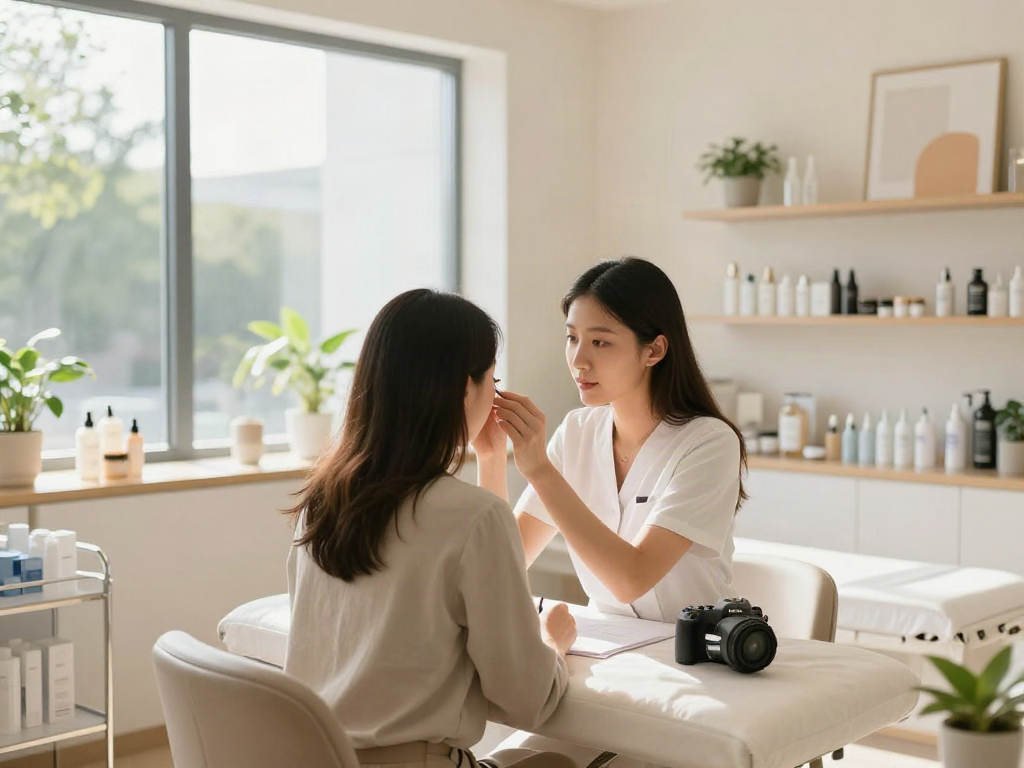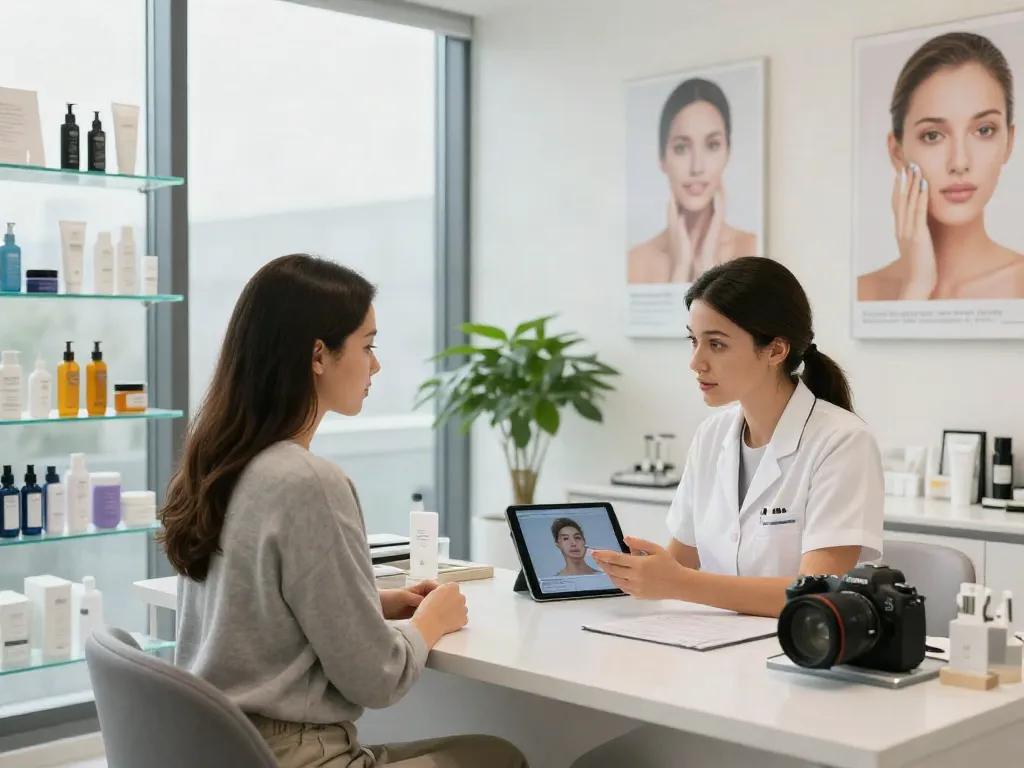
Understanding Facial Analysis Services
As the quest for beauty and self-improvement continues to captivate people worldwide, facial analysis services have emerged as a fascinating solution. Utilizing advanced technologies, these services provide users with insights into their facial aesthetics, enabling them to make informed decisions about cosmetic adjustments or personal grooming. Among the various providers in this space, QOVES has garnered notable attention for its comprehensive offerings. However, potential users may find it beneficial to explore Alternatives to QOVES that can also deliver valuable insights tailored to individual needs.
What Are Alternatives to QOVES?
Alternatives to QOVES refer to other facial analysis services that provide users with tools and insights to evaluate their appearance. These alternatives can range from free apps offering instant beauty scores to comprehensive paid services that include human review of the analysis results. Each of these services typically highlights unique features, such as personalized plans or automated assessments, catering to different preferences and budgets.
Key Features of Facial Analysis Services
When evaluating facial analysis services, users should consider several key features that contribute to the overall experience:
- Type of Analysis: Some services provide in-depth facial assessments with personalized recommendations, while others deliver quick scores based on algorithms.
- Human Review: The presence of trained aesthetics specialists reviewing reports can significantly enhance the quality and trustworthiness of the analysis.
- Cost Structure: Understanding the financial implications of using these services, such as monthly subscriptions versus full yearly memberships, is crucial for informed decision-making.
- Ongoing Support: Some services may offer continued tracking or follow-up consultations, which can be valuable for users seeking to monitor their progress over time.
Importance of Human Review in Assessments
Human review plays a significant role in the quality of facial analysis outcomes. While automated algorithms can quickly generate scores based on predefined criteria, the nuanced understanding provided by trained professionals can lead to more accurate and personalized recommendations. A service that includes human review often assures users that there's a level of expertise applied to their results, enhancing trust in the suggested modifications or improvements.
Comparing QOVES with Other Services
Pricing Structures: QOVES vs Alternatives
The pricing model for facial analysis services varies widely across providers. QOVES offers an annual membership at $150 per year, which includes a thorough analysis and a personalized beauty protocol delivered within 28 days. Other alternatives like ClinicEvo present a more affordable option at $12 per month, totaling approximately $144 for an annual subscription. This pricing model allows users to evaluate costs according to the depth of service they seek.
Membership Benefits and Limitations
Membership in services like QOVES offers users comprehensive insights and recommendations based on their unique facial features. However, the waiting period for results can be a downside for those seeking immediate feedback. Alternatives such as Umax and LooksMax AI offer instant results but lack personalized plans, highlighting the importance of assessing individual preferences when selecting a service.
Service Comparison: Depth of Analysis
When comparing facial analysis services, it’s crucial to examine the depth of the analysis provided. While QOVES and ClinicEvo focus on delivering detailed reports with recommendations backed by human experts, instant services like PrettyScale score users based on automated calculations. Users should consider their specific needs—whether they require comprehensive assessments or quick evaluations—to choose the service best suited to them.
Choosing the Right Service for You
Assessing Your Needs: What to Consider?
Determining which facial analysis service is right for you depends on various factors, including your goals, budget, and the kind of feedback you prefer. Users should ask themselves questions like:
- Do I want a personalized plan or just a quick score?
- What is my budget for ongoing assessments?
- Am I willing to wait for in-depth feedback, or do I prefer instant results?
Evaluating Reviews and User Experiences
Taking the time to read reviews and user experiences can provide valuable insights into the effectiveness and reliability of each service. Many users share their personal testimonials regarding the usefulness of the recommendations provided, which can help potential users gauge the real-world applicability of the service.
Trial Offers and Free Alternatives
Many facial analysis services offer trial periods or free versions of their apps for users to explore before committing financially. Utilizing these options can be a smart way to test out a service's capabilities and see if it meets your expectations without a financial obligation.
Maximizing Your Results from Facial Analysis
Setting Realistic Expectations
Understanding the nature of facial analysis and the capabilities of the chosen service can greatly influence the user experience. It's essential to set realistic expectations regarding the outcomes and recognize that while these services can provide valuable insights, they cannot guarantee specific results.
Taking Action Based on Recommendations
Once you receive your analysis, taking actionable steps based on the recommendations can lead to improved results. This may include adjusting skincare routines, considering cosmetic procedures, or simply enhancing grooming practices.
Follow-Up and Monitoring Your Progress
Monitoring your progress after implementation of the recommendations can be beneficial in understanding what works best for your unique needs. Some services may provide ongoing support or follow-up analyses to help you track changes over time.
Future Trends in Facial Analysis Technology
Innovations to Watch for in 2026
As technology continues to evolve, facial analysis services are likely to incorporate more sophisticated AI algorithms that enhance accuracy and personalization. Innovations may include the integration of augmented reality for users to visualize potential changes and improvements based on their analysis.
The Role of AI in Facial Assessments
AI is becoming increasingly pivotal in facial analysis, with advanced algorithms allowing for more refined evaluations. Future services may combine AI with human expertise to deliver even more comprehensive and insightful analyses that cater to individual aesthetics.
Shifts in Consumer Preferences and Expectations
As the beauty tech landscape evolves, consumer preferences are shifting towards quick, actionable insights that can be implemented without extended commitment to a service. Users are likely to continue favoring platforms that offer a blend of instant feedback and thorough analysis as they seek greater transparency and effectiveness in their results.
Is there a free alternative to QOVES?
Yes, several services offer free versions or trial periods. Tools like PrettyScale and FaceRate.ai allow users to receive instant beauty scores without any financial commitment, although they might not provide the same level of personalized guidance as paid services.
What factors should I consider when choosing an analysis service?
Consider the type of analysis provided, the depth of human involvement, pricing structures, and ongoing support when deciding on a facial analysis service.
Are automated beauty scores reliable?
Automated beauty scores can provide a quick estimate, but they may lack the depth and personalization offered by services that include human reviews. Therefore, while they can be useful for initial assessments, relying solely on automated scores may not yield the most beneficial insights.
How do QOVES and ClinicEvo differ in service offerings?
QOVES focuses on comprehensive facial analysis with a wait time for personalized protocols, whereas ClinicEvo offers a monthly membership that ensures rapid feedback within five business days, emphasizing human-reviewed guidance.
What are the trends in beauty tech for 2026?
Innovation in beauty tech is set to focus on enhancing user experience through personalized technology, with advancements in AI and augmented reality playing significant roles in shaping how consumers interact with facial analysis services.