Understanding TradingView: An Overview
In the realm of trading, the ability to effectively analyze market data can often mean the difference between success and failure. TradingView, a powerful platform that combines an extensive range of analytical tools, community insights, and live market data, offers traders a comprehensive approach to market analysis across various asset classes. Whether you're engaged in stock trading, forex, or cryptocurrencies, TradingView provides the means to develop a structured, repeatable research process that transforms complex data into actionable insights. This article delves into the core features of TradingView, its benefits over other platforms, and how you can integrate it into your trading strategy for optimal performance.
What is TradingView and Its Core Features?
TradingView is more than just a charting tool; it is an integrated platform that supports traders and investors by providing a multitude of features that enhance market research and strategy development. Key features include:
- Multi-Layout SuperCharts: Users can create and customize multiple chart layouts to observe different time frames or asset classes simultaneously, providing a more holistic view of the markets.
- Robust Screening Tools: TradingView offers powerful stock scanners and filters that allow traders to quickly identify potential trading opportunities based on various criteria such as performance, volume, and technical indicators.
- Custom Alerts: Set up alerts to get notified via email or on the app when prices reach specified levels or technical conditions are met, ensuring you never miss a crucial market movement.
- Community Insights: Engage with a vibrant trading community where users share ideas, strategies, and analysis, helping to refine your own trading approaches.
- Pine Script: An integrated scripting language that enables users to create custom indicators and strategies tailored to their specific trading needs.
Why Choose TradingView for Market Analysis?
Choosing a trading platform can be daunting given the myriad of options available. However, TradingView stands out due to its user-friendly interface, extensive charting capabilities, and a wealth of community-generated content. This combination makes it ideal for both novice traders looking for education and experienced traders seeking advanced analytical tools. Moreover, the platform supports various asset types, including stocks, forex, cryptocurrencies, and commodities, allowing for a unified approach to trading.
Additionally, the integration of news feeds and economic calendars directly into the platform means that traders can analyze market-moving events without needing to switch between different applications. By centralizing critical information and tools, TradingView enhances efficiency and helps traders make timely decisions.
Common Misconceptions About TradingView
Despite its impressive offerings, there are some common misconceptions that potential users may have about TradingView:
- It’s only for experienced traders: While TradingView does cater to seasoned traders, its intuitive design and educational resources make it accessible for beginners as well.
- It’s too expensive: TradingView operates on a freemium model, allowing users to access a substantial amount of tools and features at no cost, with premium subscriptions available for advanced needs.
- Limited functionality on mobile: TradingView's mobile app is feature-rich and allows for comprehensive charting and analysis, making it a powerful tool for traders on the go.
Integrating TradingView into Your Trading Strategy
To make the most out of TradingView, it’s essential to understand how to set up your account and customize your workspace. This ensures that you can efficiently access the tools and information most relevant to your trading style and goals.
Setting Up Your TradingView Account
Creating a TradingView account is straightforward. Simply visit their website and sign up for a free account. You have the option to upgrade to a Pro or Premium account for enhanced features such as additional indicators per layout, advanced charting options, and an ad-free experience. After signing up, you can customize your profile to reflect your trading preferences and strategies.
Customizing Your Trading Workspace for Optimal Performance
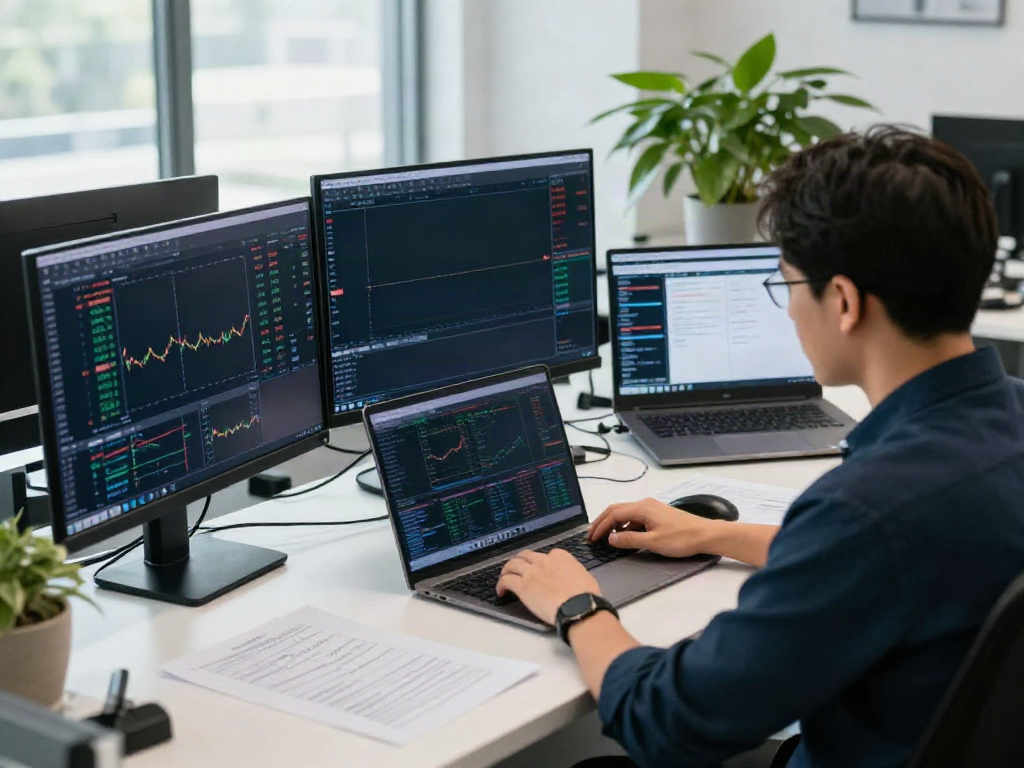
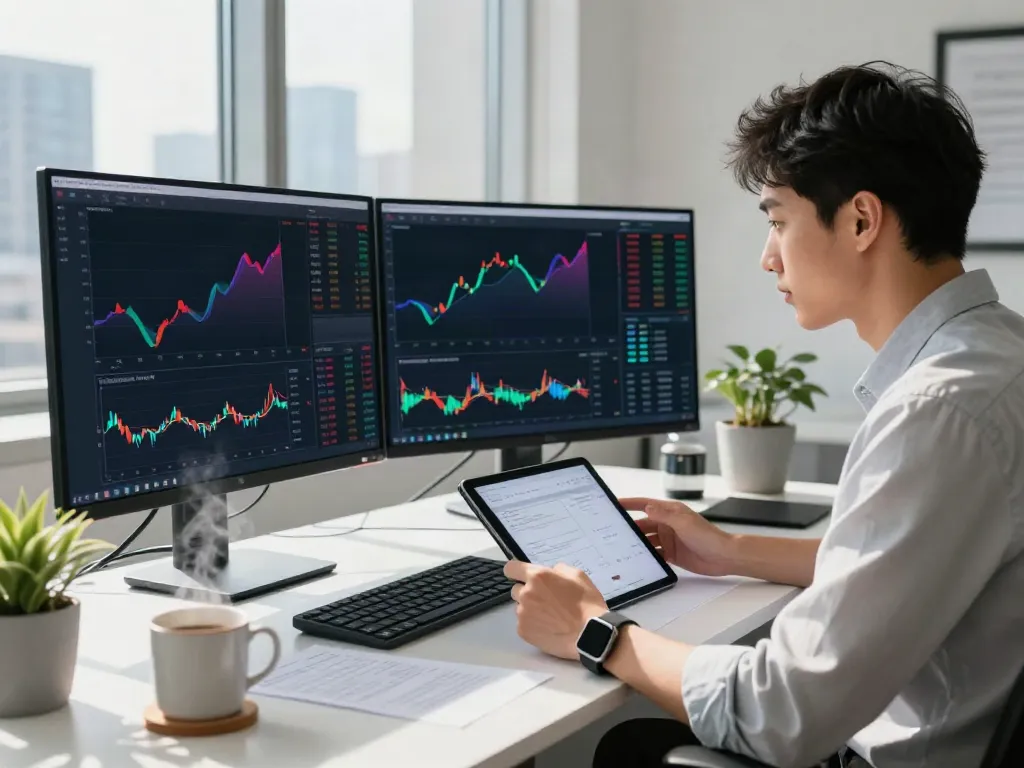
TradingView allows extensive customization of your workspace to fit your personal trading style. You can adjust your chart layouts, add various technical indicators, and organize your tools and widgets to streamline your analysis process. Utilizing multi-screen layouts helps in observing multiple assets simultaneously and enhances your ability to identify correlations and trends across different markets.
For example, a day trader might benefit from having a chart for each asset being monitored, each with specific indicators that align with their trading strategy, while a swing trader might prefer fewer, more focused charts with broader time frame analysis.
Using Alerts Effectively: Never Miss a Market Move
One of the standout features of TradingView is the ability to set alerts on specific market movements, technical conditions, or price levels. This means that even if you are not actively monitoring the markets, you can still stay informed about significant changes that may impact your trades. By carefully configuring these alerts based on your strategies, you can ensure that you are always a step ahead.
For instance, if you are focusing on a stock that tends to react to earnings reports, you can set an alert for when it crosses a certain price level following the report release.
Advanced Charting Techniques with TradingView
Once you've established your workspace and alerts, the next step is mastering charting techniques to extract meaningful insights from market data.
Utilizing Indicators and Drawings for Better Insights
TradingView offers a plethora of indicators and drawing tools that help you analyze price movements and forecast future trends. By utilizing indicators such as Moving Averages, Relative Strength Index (RSI), and Bollinger Bands, traders can identify potential entry and exit points more efficiently. Drawing trend lines and support and resistance levels on your charts can provide additional insights into potential market reversals or continuations.
How to Create Custom Indicators with Pine Script
If the existing indicators don’t meet your needs, TradingView's Pine Script allows traders to design custom indicators. This built-in scripting language is flexible and user-friendly, enabling you to develop strategies tailored to your unique trading style. The best approach is to start by testing your scripts and strategies within TradingView’s Strategy Tester to refine them before deploying them in live trading.
Comparative Analysis: Other Tools Versus TradingView
When evaluating TradingView against other trading tools and platforms, it is essential to consider various aspects such as usability, community engagement, and the range of features. Unlike many traditional trading platforms, TradingView is designed with a social component, allowing traders to share ideas and strategies, which can enhance learning and collaboration. The ability to see public scripts and strategies can provide you insights that you may not have considered, fostering a more robust trading methodology.
Real-World Applications of TradingView Strategies
Understanding how to apply TradingView’s features in real-world scenarios can greatly enhance your trading effectiveness and decision-making skills.
Case Studies: Successful Integrations of TradingView in Trading
Many traders have successfully integrated TradingView into their trading strategies, leading to improved outcomes. For instance, a futures trader may use the platform’s advanced charting tools to identify bullish setups in commodity markets while simultaneously setting alerts for key economic indicators that could affect market movements.
Another example includes a stock trader who combines TradingView’s screening tools to identify stocks that meet specific criteria, such as high volume and volatility, then uses Pine Script to create a custom indicator that alerts them when the stock is likely going to breakout.
Learning from Community Insights and Ideas
Utilizing the community aspect of TradingView can be invaluable. Engaging with fellow traders, whether through comments on published ideas or in TradingView’s social feeds, can provide new perspectives and strategies that you might not have previously considered.
Moreover, analyzing top traders’ ideas and strategies shared on the platform can help you refine your approach and develop more effective methodologies for your trading.
Feedback Loop: Improving Your Strategies with Backtesting
Another critical aspect of using TradingView is the ability to create a feedback loop for your strategies through backtesting. This enables you to test your historical strategies against past market data to evaluate their effectiveness and make necessary adjustments. TradingView’s Strategy Tester allows you to simulate how your strategies would have performed over a defined period, enabling you to hone your approach without risking real capital.
Future Trends in Market Analysis with TradingView
As the trading landscape evolves, so do the tools that aid in market analysis. TradingView continues to innovate, ensuring that its users stay ahead of the curve.
Emerging Features and Tools in TradingView for 2026
Looking ahead, TradingView is expected to introduce even more advanced features designed to enhance user experience. This includes enhancements to its mobile app, making it easier to perform comprehensive analyses while on the move, as well as AI-driven insights that can provide predictive analytics based on historical data.
Market Predictions: What Traders Should Watch For
Traders should keep an eye on how global economic trends, regulatory changes, and technological advancements affect various asset classes. Platforms like TradingView will play a crucial role in synthesizing this information to provide users with timely and relevant analysis.
Preparing for Changes in the Trading Landscape
As traders, being adaptable is key. TradingView’s continuous updates, along with its community-driven insights, prepare users to pivot their strategies as market conditions change. A proactive approach to learning and adapting can position traders for success in an ever-evolving landscape.
How Secure is Your Trading with TradingView?
Security is paramount for any online trading platform, and TradingView takes this seriously by employing robust encryption and security measures to protect user data. Knowing that your information and trading actions are secure can give you peace of mind as you navigate market fluctuations.
What Are the Advantages of TradingView's Community Features?
The community aspect of TradingView not only allows for sharing strategies but also provides a platform for collaboration and learning. Engaging with other traders can spark new ideas and introduce you to diverse trading strategies, enhancing your overall market knowledge.