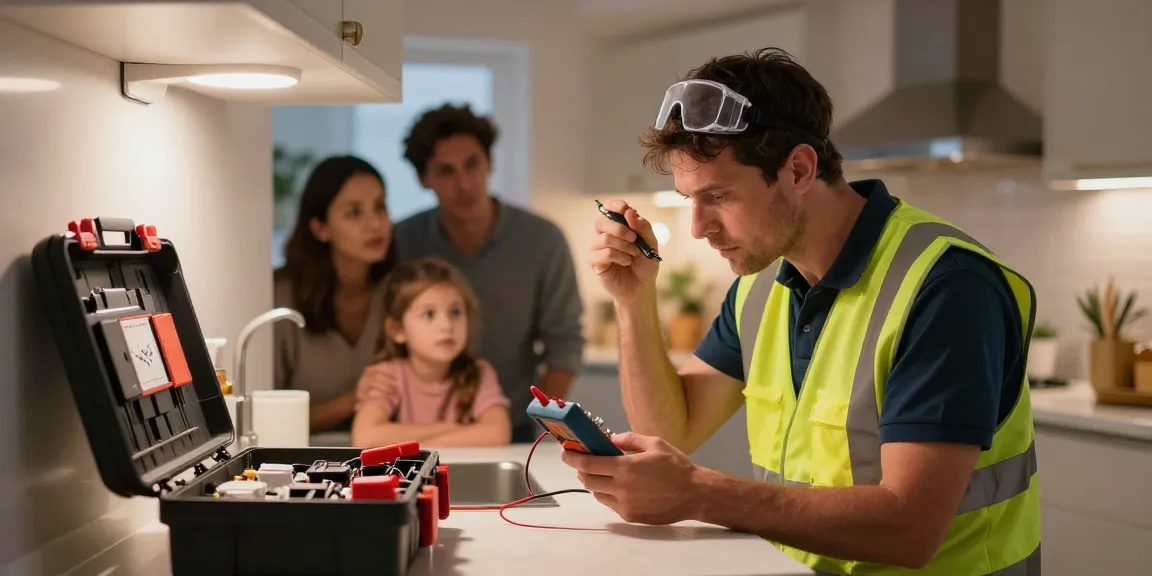
Understanding the Role of an Emergency Electrician
In the intricate world of electrical systems, emergencies can strike when least expected, often leading to risks that jeopardize safety and property. An emergency electrician is a crucial professional in managing these unforeseen situations, ensuring that electrical safety becomes a priority during crises. Understanding their role is essential for homeowners and businesses alike, as it prepares individuals to act promptly and wisely in times of need.
What Defines an Emergency Electrician?
An emergency electrician is specially trained to respond to immediate electrical issues that require urgent attention. These professionals are equipped to handle a wide array of problems, from power outages and faulty wiring to short circuits and electrical fires. Their expertise allows them to diagnose issues quickly, implement immediate repairs, and enhance overall electrical safety. Most emergency electricians provide 24/7 services, ensuring that assistance is available at any time of day or night.
Common Situations Requiring Emergency Electricians
Several scenarios warrant the urgent intervention of an emergency electrician, including:
- Power Outages: Sudden power loss can disrupt daily routines and business operations. An emergency electrician identifies the cause and restores power efficiently.
- Electrical Fires: A significant risk associated with electrical issues, fires can escalate quickly. Emergency electricians work to extinguish active threats and repair damaged wiring.
- Short Circuits: Frequent circuit trips may indicate serious electrical faults. Professionals can help troubleshoot and rectify the issue before it results in more severe damage.
- Flickering Lights: Persistent flickering may signal loose connections or overloaded circuits that need immediate attention.
Qualifications and Certifications for Emergency Electricians
To operate as an emergency electrician, specific qualifications and certifications are vital. Most emergency electricians possess a state license, demonstrating their proficiency and adherence to safety standards. Additional certifications may include:
- National Electrical Code (NEC) Compliance: Understanding and applying NEC standards is critical for safety.
- Training in First Aid and CPR: This is essential for providing immediate assistance in case of electrical accidents.
- Specialized Certifications: Many electricians pursue further education in areas like residential and commercial electrical installation, renewable energy systems, or industrial electrical systems.
Top Emergency Electrician Services You Can Rely On
24/7 Emergency Electrical Services: What to Expect
Reliable emergency electrical services are vital for addressing urgent problems. A typical emergency service includes rapid response times, where electricians arrive at the location within an hour or less, depending on proximity and traffic. Upon arrival, they assess the situation, provide a diagnosis, and present potential solutions, often accompanied by upfront pricing to ensure transparency.
Residential Versus Commercial Emergency Electrical Services
Understanding the distinctions between residential and commercial emergency electrical services can significantly influence the choice of an electrician. Residential services often focus on home-specific issues like circuit overloads, light fixtures, and appliances. In contrast, commercial services cater to larger systems, ensuring compliance with regulations while managing the higher complexity of office buildings, factories, and retail spaces.
How to Choose a Reliable Emergency Electrician
Finding a trustworthy emergency electrician can be overwhelming, especially in urgent situations. Here are crucial tips to consider:
- Check Qualifications: Always verify that the electrician holds proper licenses and insurance.
- Read Reviews: Customer testimonials and reviews can provide insight into the quality of service and reliability.
- Ask for Estimates: A reputable electrician should provide a clear estimate of costs before beginning work.
- Availability: Ensure the electrician offers 24/7 services to assist during emergencies anytime.
Key Best Practices for Electrical Safety at Home
Regular Electrical Maintenance to Prevent Emergencies
Regular inspections and maintenance can significantly reduce the risks of electrical emergencies. Homeowners should schedule annual check-ups with licensed electricians to identify potential issues before they escalate. This proactive approach includes checking for frayed wires, ensuring circuit breakers function correctly, and verifying that smoke detectors are operational.
Identifying Electrical Hazards in Your Home
Being vigilant about electrical hazards in your home is crucial for overall safety. Common signs of danger include:
- Frequent tripped circuit breakers
- Burning smells or scorch marks around outlets
- Warm or discolored outlets
- Buzzing sounds from electrical panels
If any of these issues arise, contacting an emergency electrician immediately is advisable.
Using Technology to Monitor Electrical Safety
Advancements in technology enable homeowners to monitor their electrical systems more effectively. Smart home devices can track energy usage, alert homeowners of overloads, and even shut off power remotely in emergencies. Investing in such technology not only provides peace of mind but also enhances overall home safety.
Cost of Emergency Electrical Services: What You Should Know
Understanding Pricing Models for Emergency Electricians
The cost of emergency electrical services can vary based on several factors. Generally, pricing models include flat rates for common services and hourly rates for emergency calls. On average, homeowners can expect to pay anywhere from $50 to $150 per hour, depending on the service's complexity and timing.
Factors Affecting the Cost of Emergency Services
Factors that can influence the cost include:
- Time of Day: Emergency services during off-hours, weekends, or holidays may incur higher fees.
- Location: Electricians in urban areas may charge more due to increased demand.
- Complexity of the Job: More intricate repairs may require longer service times and thus higher costs.
How to Budget for Electrical Emergencies
Being financially prepared for electrical emergencies can reduce stress when issues arise. Homeowners should consider setting aside a dedicated fund for such situations and researching average costs for common electrical repairs. Consulting with electricians about potential future repairs can also help in budgeting accurately.
Future Trends in Emergency Electrical Services by 2026
Emerging Technologies Impacting Emergency Electricians
The landscape of emergency electrical services is rapidly evolving, with several emerging technologies set to redefine the industry. Innovations such as drones for aerial inspections and augmented reality (AR) tools for diagnostics are becoming more commonplace, allowing electricians to assess situations more precisely and efficiently.
Environmental Considerations and Sustainable Practices
As environmental awareness grows, emergency electricians are increasingly adopting sustainable practices. This includes using eco-friendly materials for repairs and installations, as well as promoting energy-efficient appliances and systems that reduce overall electrical consumption.
The Role of Smart Home Technology in Electrical Safety
By 2026, smart home technology will likely play an integral role in enhancing electrical safety. Systems enabled with artificial intelligence will proactively notify homeowners of potential issues and enable remote troubleshooting, making emergency electricians' jobs more efficient and focused on serious problems.
What should I do during an electrical emergency?
In an electrical emergency, it’s crucial to remain calm. If it’s safe, immediately turn off the power at the circuit breaker. Avoid using water or electronic devices, and call an emergency electrician to assess the situation.
How can I prevent electrical emergencies at home?
Regular maintenance, using qualified electricians for installations and repairs, and educating household members on safety practices can greatly mitigate the risk of electrical emergencies.
Are emergency electrician services covered by insurance?
Many homeowner insurance policies cover emergency electrical services, but it’s essential to review specific policy details and consult with your insurance provider to understand coverage limits and requirements.
What qualifications should an emergency electrician have?
Emergency electricians should possess a valid state license, insurance, and ideally additional certifications in specialized areas of electrical work to ensure their expertise.
How long does it take for an emergency electrician to arrive?
The response time of an emergency electrician can vary but typically ranges from 30 minutes to an hour, depending on the time of day, location, and the severity of the call.