Understanding Air-Cooled Engines
Air-cooled engines hold a unique place in the automotive landscape, particularly for vintage vehicles. Unlike water-cooled engines, which rely on a liquid coolant to moderate operating temperatures, air-cooled engines use ambient air to dissipate heat. This design not only simplifies the engine construction but also reduces weight and complexity, making them particularly appealing for classic car enthusiasts. Understanding the nuances of these engines is crucial for proper maintenance and care, especially as the trend for vintage vehicle ownership continues to rise.
For resources and tools that can help lovers of vintage air-cooled vehicles, http://www.aircooledapps.com provides comprehensive insights and solutions.
What Makes Air-Cooled Engines Unique?
The defining characteristic of air-cooled engines is their ability to function without the need for a liquid cooling system. Instead, these engines have fins designed to increase the surface area available for air circulation around the engine block. This innovative design allows the heat generated during combustion to dissipate directly into the atmosphere, keeping the engine cool while in operation. This simplicity reduces the number of potential failure points associated with liquid cooling systems, such as leaks or pump failures.
Furthermore, air-cooled engines tend to be lighter than their water-cooled counterparts due to the absence of a radiator and related plumbing. This weight reduction can contribute to improved performance and handling, particularly in small vehicles like vintage Volkswagen Beetles or other classic cars.
Common Maintenance Issues for Vintage Vehicles
Despite their mechanical simplicity, vintage air-cooled vehicles require diligent maintenance to keep them in optimal running condition. One of the most common issues that owners encounter is overheating, which can arise from a lack of proper airflow or obstruction in the engine's fin passages. Since these engines rely heavily on air circulation, even minor blockages can create significant problems.
Another prevalent issue is the degradation of ignition systems and fuel management components, which can compromise engine performance. Given the age of many vintage air-cooled vehicles, parts may wear out or become obsolete, making sourcing replacements a challenge.
How Technology Enhances Air-Cooled Maintenance
Technology is playing an increasingly vital role in the maintenance of air-cooled vehicles. Mobile apps dedicated to vintage vehicle maintenance and diagnostics have emerged, helping owners track service intervals and offering troubleshooting advice. These applications often include features such as parts catalogs and access to forums where owners can share tips and experiences.
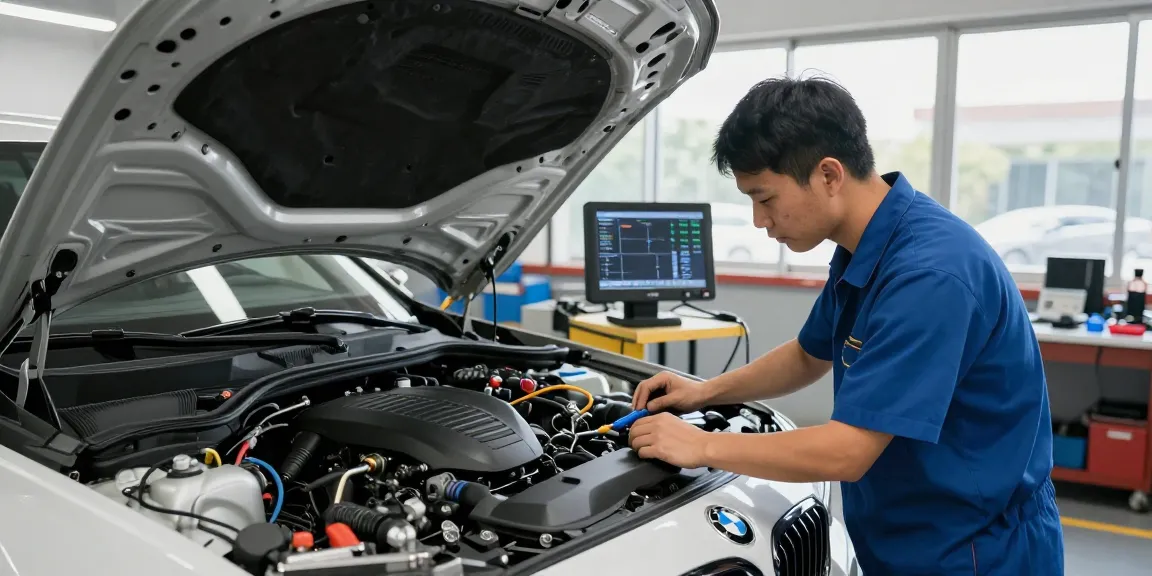
In addition, diagnostic tools that utilize OBD (On-Board Diagnostics) technology are now available, allowing enthusiasts to interface with their vehicles in ways that were previously restricted to modern cars. This technology can provide insights into engine performance that help prevent costly repairs down the line.
Essential Tools for DIY Air-Cooled Maintenance
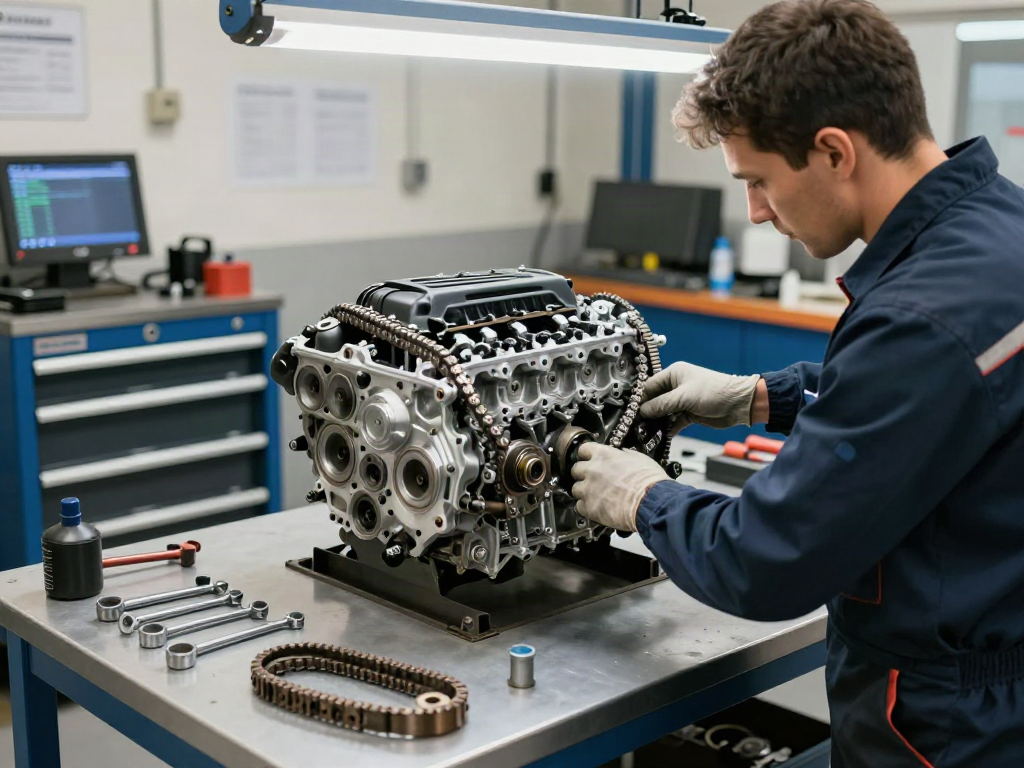
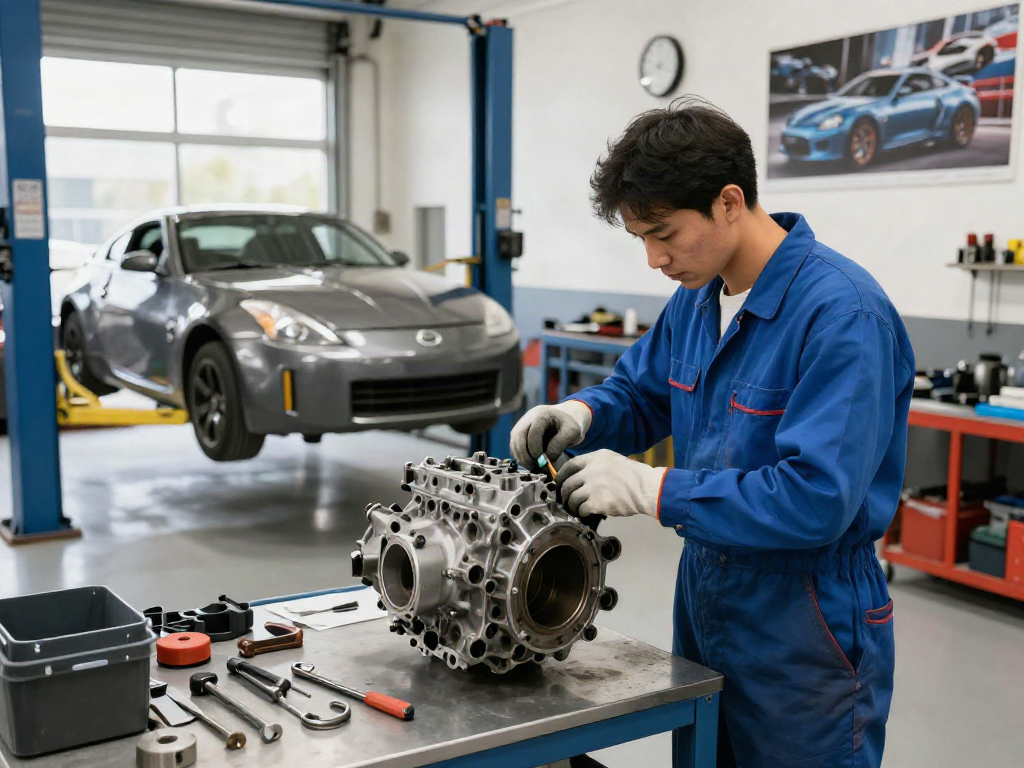
For owners of air-cooled vehicles, having the right tools is essential for effective maintenance. While many tasks can be accomplished with basic hand tools, certain specialized equipment can make the process more efficient and yield better results.
Basic Toolkits for Every Air-Cooled Owner
A well-rounded toolkit for maintaining air-cooled vehicles should include essential items such as:
- Socket sets: Various sizes for different bolts and nuts.
- Wrenches: A mix of standard and metric sizes.
- Screwdrivers: Both flathead and Phillips for various electrical components.
- Torque wrench: For ensuring that bolts are tightened to the manufacturer’s specifications.
- Multimeter: Useful for electrical diagnostics.
Advanced Tools for Professional Maintenance
For enthusiasts looking to delve deeper into their maintenance practices, advanced tools can enhance efficiency. Consider investing in:
- Timing lights: Helpful for adjusting ignition timing.
- Compression testers: Essential for determining engine health.
- Vacuum gauges: Useful for diagnosing intake leaks and engine performance.
- Infrared thermometers: Great for monitoring engine temperatures without direct contact.
Where to Find Quality Parts and Tools
Finding quality parts is critical for maintaining vintage air-cooled vehicles. While local automotive stores may carry basic supplies, specialized retailers often stock parts designed specifically for older models. Online marketplaces and dedicated vintage vehicle platforms are excellent resources for sourcing hard-to-find components and tools.
Additionally, car shows and swap meets can provide opportunities to find rare parts and connect with other enthusiasts who may have the resources or insights you need.
Step-by-Step Maintenance Guide
Routine maintenance is vital for the longevity of any vehicle, and vintage air-cooled cars are no exception. Following a systematic approach can help ensure that nothing essential is overlooked during servicing.
Preparing Your Vehicle for Maintenance
Before beginning any maintenance task, it is crucial to prepare your vehicle properly. Ensure you have adequate space to work and gather all necessary tools and parts. It's also advisable to refer to the owner's manual for specific guidance related to your vehicle model. Always start by disconnecting the battery before undertaking any work to the electrical system.
Conducting Routine Checks and Repairs
Routine checks should include verifying fluid levels, inspecting hoses for leaks, and checking the condition of belts. Regular inspection of the exhaust system and any airflow passages is also essential to prevent overheating. For air-cooled engines, monitoring the temperature gauge during regular use can provide early indications of potential problems.
When to Seek Professional Help
While many maintenance tasks can be performed by a DIY enthusiast, knowing when to seek professional assistance is crucial. If you encounter electrical issues or problems with the engine's performance that cannot be resolved with basic tools, consulting an expert can save both time and money in the long run. Additionally, if you're unsure about the safety of a repair, it's better to err on the side of caution and seek help.
Common Myths About Air-Cooled Vehicles
As with many niche automotive fields, misconceptions abound regarding air-cooled vehicles. Addressing these myths can help potential owners make informed decisions and enhance their appreciation of these classic cars.
Do Air-Cooled Engines Overheat?
One prevalent myth is that air-cooled engines are prone to overheating. While it’s true that these engines can overheat, proper maintenance and airflow management can mitigate risks. Regular inspections and cleaning of the cooling fins are essential to ensure optimal performance.
Can You Drive an Air-Cooled VW Daily?
Many people believe that air-cooled VWs are not suitable for daily driving due to their vintage design. However, with proper maintenance and modern upgrades, these vehicles can be reliable daily drivers. Many enthusiasts drive their classic air-cooled cars regularly, enjoying the unique experience they offer.
Are They Expensive to Maintain?
While some vintage air-cooled models may require investment in parts due to their age, maintenance costs can often be manageable compared to modern vehicles. Many owners find that they can perform much of the work themselves, thus reducing overall costs.
Future Trends in Air-Cooled Vehicle Maintenance
The future of vintage air-cooled vehicle maintenance looks promising, especially with the integration of technology and sustainable practices. As more enthusiasts take an interest in preserving these vehicles, new solutions are emerging to address common challenges.
Emerging Technologies in Vintage Vehicle Care
Emerging technologies like 3D printing and advancements in materials science are paving the way for easier repairs and replacements of vintage parts. This innovation can significantly reduce wait times and costs associated with sourcing hard-to-find components.
Sustainable Practices for Maintenance
As environmental awareness grows, many vintage vehicle owners are adopting sustainable practices in maintenance. This includes the use of biodegradable oils and recycle-friendly materials, making it easier to care for classic cars without compromising ecological values.
Predictions for the Preservation of Classic Cars
Looking forward, the preservation of classic air-cooled vehicles is set to thrive as new generations of enthusiasts emerge. With community engagement, educational resources, and technological advancements, the legacy of these vehicles will continue, ensuring that they remain a cherished part of automotive history.