
Professional Glass Cutting Machine Solutions for 2026: Advanced Techniques for Optimal Efficiency
Understanding Glass Cutting Machines: An Overview
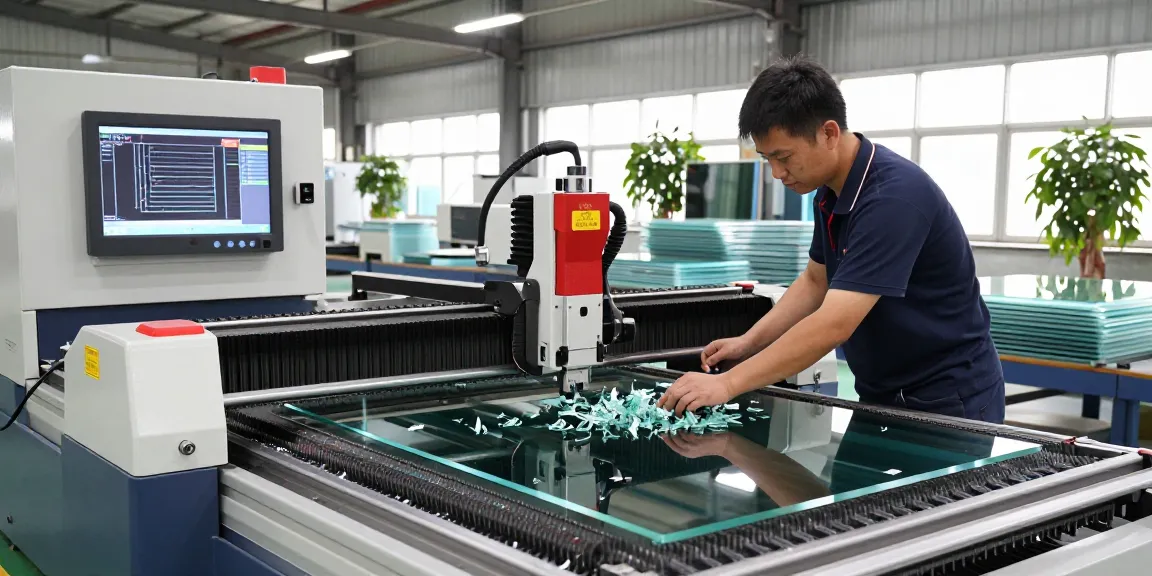
Glass cutting machines are essential tools in the manufacturing and craft industries, providing precision and efficiency in creating glass products. By utilizing advanced technology, these machines are able to achieve clean cuts, reducing waste and ensuring high-quality finishes. Whether for architectural use, art projects, or industrial applications, the choice of the right glass cutting machine can significantly affect production output and quality. When exploring options, glass cutting machine solutions offer comprehensive insights into the latest technology and features that can boost your glass processing operations.
What is a Glass Cutting Machine?
A glass cutting machine is designed specifically to score and cut glass sheets into various shapes and sizes. These machines employ a variety of cutting mechanisms, including diamond blades, water jets, or lasers, to achieve precise cuts. Depending on the complexity of the project and the type of glass to be cut, different machines can be selected to meet specific requirements.
Types of Glass Cutting Machines
- CNC Glass Cutting Machines: These machines use computer numerical control to automate the cutting process, increasing accuracy and speed while minimizing human error.
- Semi-Automatic Machines: While still offering automation, these require some manual input from operators, blending efficiency with human oversight.
- Manual Glass Cutters: These are basic tools used for small-scale projects or DIY tasks, ideal for hobbyists and artisans.
- Laser Cutting Machines: Utilizing powerful lasers, these machines are capable of intricate designs and high precision, suitable for detailed artwork and prototypes.
- Waterjet Cutters: These machines use high-pressure water mixed with abrasive substances to cut through glass, ideal for thicker materials.
Key Features and Benefits of Modern Machines
Modern glass cutting machines come equipped with a range of features that enhance their functionality, including:
- Precision Cutting: Advanced technology allows for highly precise cuts, which is crucial in glass processing.
- Speed: Automated systems can significantly reduce production time by handling multiple cuts simultaneously.
- Easier Operation: User-friendly interfaces and programmable settings make these machines accessible to operators of varying skill levels.
- Reduced Waste: Efficient cutting leads to less material waste and more cost-effective operations.
- Versatility: Many machines can handle different types of glass, from tempered to laminated, broadening their application scope.
Choosing the Right Glass Cutting Machine for Your Needs
Selecting the right glass cutting machine is critical to achieving optimal efficiency and quality in production. Factors such as the type of glass being processed, the complexity of designs, and production scale should all play a role in your decision.
Factors to Consider When Selecting a Machine
- Material Type: Consider the type of glass you will be cutting, as some machines are better suited for specific materials.
- Production Volume: Higher volume operations may benefit from automated systems, while smaller projects might be handled efficiently by manual or semi-automatic machines.
- Budget: Determine how much you are willing to invest in a cutting machine and explore options that meet your price range while still offering necessary features.
- Space Requirements: Ensure that the machinery will fit comfortably in your workspace without compromising safety.
Evaluating Performance Metrics and Specifications
When comparing different models, pay attention to performance metrics such as:
- Cutting Speed: Measured in square meters per hour, this indicates how quickly the machine can perform cuts.
- Cutting Thickness: Check the specifications for the maximum thickness of glass that can be processed.
- Accuracy: Precision is key; look for machines that can achieve minimal deviation in cuts.
- Durability: Assess the construction quality and warranties offered to ensure a long-lasting investment.
Comparative Analysis of Popular Models in 2026
To stay competitive, it’s essential to review and compare the latest models available in the market. Key contenders in 2026 include:
- Zhengke CNC Automatic Glass Cutting Machine: Renowned for its high efficiency and accuracy, suitable for large-scale operations.
- CMS Glass Machinery: Offers innovative solutions for both automated and manual cutting processes, providing flexible configurations.
- Perfect Laser Cutting Machine: Noted for its sophisticated CNC control system and high-speed performance.
Best Practices for Operating Glass Cutting Machines
To maximize the efficiency and lifespan of glass cutting machines, operators must adhere to best practices during operation.
Essential Safety Protocols in Glass Processing
- Wear Protective Gear: Always use safety glasses, gloves, and ear protection to safeguard against potential hazards.
- Follow Instructions: Carefully read and adhere to the manufacturer’s guidelines to ensure safe usage.
- Maintain a Clean Work Area: A tidy workspace reduces the risk of accidents and improves overall efficiency.
Maintenance Tips for Longevity and Efficiency
Regular maintenance is crucial for keeping glass cutting machines in optimal condition. Consider the following:
- Routine Cleaning: Remove dust and debris from machine components to prevent malfunctions.
- Regular Inspections: Check for wear and tear in cutting blades and replace them as necessary to maintain cutting quality.
- Lubrication: Apply appropriate lubricants to moving parts to reduce friction and wear.
Common Mistakes and How to Avoid Them
- Ignoring Calibration: Failing to calibrate machines can lead to inaccuracies in cuts. Regularly check and adjust settings as needed.
- Overloading the Machine: Adhere to the machine’s specifications to avoid damage or diminished performance.
- Neglecting Training: Ensure that all operators are trained on proper use and maintenance of the machines.
Innovations in Glass Cutting Technology
The glass processing industry is rapidly evolving, thanks in part to technological advancements that enhance cutting efficiency and accuracy.
Impact of Automation on Glass Cutting Processes
Automation has transformed traditional glass cutting operations, allowing for streamlined processes and reduced labor costs. With the advent of automated machines, companies can achieve consistent quality in their products and reduce the likelihood of human error.
Future Trends in Glass Cutting Equipment
As we look toward the future, several trends are emerging in glass cutting technology:
- Integration of AI: Artificial intelligence is expected to enhance machine learning capabilities, allowing machines to adapt and optimize cutting processes automatically.
- Sustainability Measures: Eco-friendly machines that minimize waste and use less energy are likely to become industry standards.
- Advanced Materials: Development of specialized blades and cutting technologies that improve lifespan and performance will continue to emerge.
Case Studies: Successful Implementation of New Technologies
Several companies have successfully implemented new technologies in their glass cutting processes, resulting in increased productivity and reduced operational costs. For example, Company XYZ integrated a fully automated glass cutting line, which led to a 30% reduction in labor costs and a significant decrease in material waste.
Future-Proofing Your Glass Cutting Operations
As the glass industry continues to evolve, it is imperative for businesses to stay ahead of trends and technologies to ensure their operations remain competitive.
Strategies for Staying Competitive in 2026
- Invest in Training: Regular training for staff on new equipment and technologies is essential to maintain operational efficiency.
- Upgrade Equipment: Consider upgrading to the latest cutting technologies to improve accuracy and efficiency.
- Diversify Services: Offering a range of glass processing services can draw in new customers and retain existing ones.
Integrating Sustainability into Glass Processing
With growing awareness surrounding environmental issues, integrating sustainable practices into glass processing is becoming increasingly important. This includes using energy-efficient machines, sourcing materials responsibly, and implementing recycling initiatives within operations.
Preparing for Industry Changes and Market Demands
The glass industry is influenced by various factors, including economic shifts and consumer preferences. Staying adaptable and informed about market trends will help businesses navigate these changes effectively.
What are the most reliable glass cutting machines?
When looking for reliability, brands with a long history and positive customer reviews often lead the market. Machines from manufacturers with robust support systems also tend to rank higher in reliability.
How can I improve my glass cutting efficiency?
Efficiency can be improved through training, regular maintenance, and upgrading to automated solutions that handle multiple tasks simultaneously.
What types of glass can be cut with these machines?
Most modern glass cutting machines can handle a variety of glass types, including tempered, laminated, and insulated glass, depending on the machine’s specifications.
What maintenance do glass cutting machines require?
Regular cleaning, lubrication, and blade replacement are crucial for maintaining peak performance and extending the machine’s lifespan.
How is technology changing the glass cutting industry?
Technological innovations are leading to increased automation, improved precision, and enhanced efficiency in glass processing operations.