
Bed Bug Exterminator Exposed: What the Industry Won’t Tell You About Effective Treatments
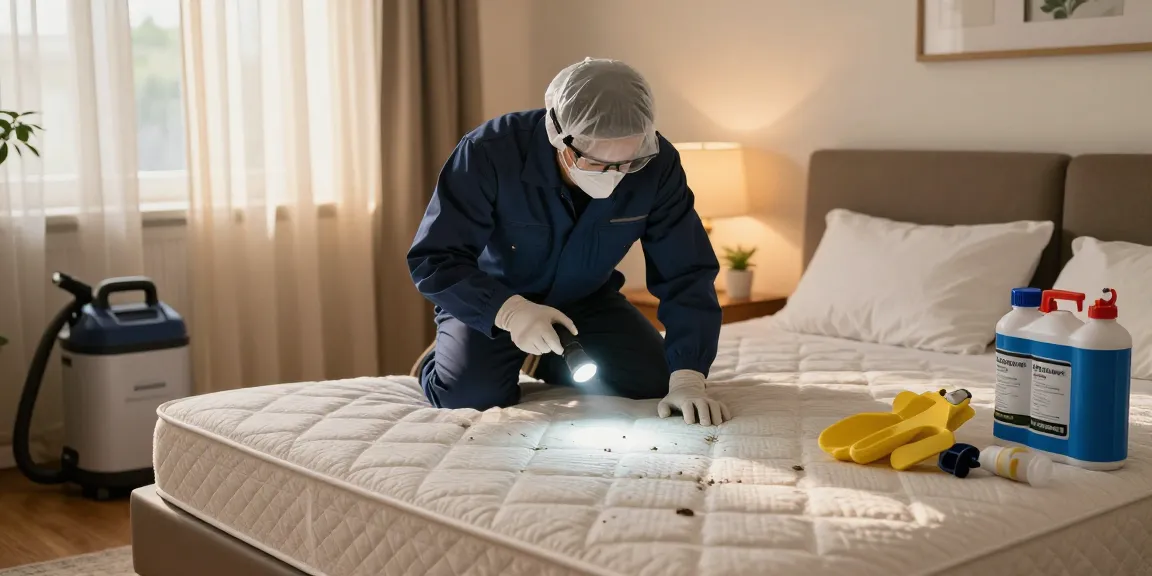
Understanding Bed Bugs: An Overview
Bed bugs are notorious pests that can disrupt your peace and comfort in your own home. Understanding these insects is crucial to effectively managing and eradicating them. Their resilience and ability to multiply rapidly pose significant challenges when dealing with an infestation. As experienced professionals in Milwaukee, we provide expert insights into bed bug behavior, treatment options, and prevention strategies. When exploring options, bed bug exterminator services can offer tailored solutions to your problems.
What Are Bed Bugs and Why Are They a Problem?
Bed bugs (Cimex lectularius) are small, reddish-brown insects that feed on the blood of humans and animals. They typically emerge during the night, making their presence often unnoticed until significant damage has been done. These pests are mainly a nuisance due to their bites, which can lead to itchy welts and allergic reactions. More critically, they have the potential to affect mental health and well-being due to the anxiety that their presence can cause.
Bed bugs thrive in diverse environments, from homes to hotels and public transportation. Their rapid reproduction capability—here, a female can lay up to 500 eggs in her lifetime—compounds the problem, making them a well-established challenge in pest management.
Common Signs of Infestation
Recognizing the signs of a bed bug infestation is key to early intervention. Common indicators include:
- Visible bed bugs on mattresses and bedding
- Dark spots from fecal matter on sheets and walls
- Small bloodstains from crushed bugs
- Itchy, red welts on the skin that may appear in a line or cluster
Early detection is crucial for effective extermination; thus, regular inspections and monitoring are recommended.
The Life Cycle of Bed Bugs and Their Behavior
Understanding the life cycle of bed bugs can help in formulating an effective treatment strategy. Bed bugs undergo five stages of development, with nymphs (young bed bugs) requiring blood meals after each molt. This cycle can be completed in as little as 21 days under optimal conditions. The following details their behavior:
- Travel: Bed bugs can travel up to 100 feet in search of a host.
- Hiding Spots: They tend to hide in cracks, seams of mattresses, bed frames, and behind wallpaper.
- Resilience: They can survive without feeding for several months and withstand extreme temperatures, making them particularly hard to eliminate.
- Reproduction: Bed bugs are prolific breeders; a single female can lay several eggs per day.
Understanding these habits is vital for homeowners to recognize the potential spread and scale of infestations.
Choosing the Right Bed Bug Exterminator
When facing a bed bug problem, selecting the right exterminator can vastly influence the outcome. It is essential to consider various factors before making a choice to ensure effective treatment and peace of mind.
Factors to Consider When Hiring a Bed Bug Exterminator
Not all pest control services are created equal. Here are critical factors to keep in mind when selecting an exterminator:
- Experience: Choose a company with a strong track record in bed bug extermination.
- Methods: Look for exterminators who offer both heat and chemical treatments, as this combination can be effective.
- Customer Reviews: Check online ratings and customer testimonials to gauge satisfaction levels.
- Discretion: Ensure that the company uses unmarked vehicles to maintain your privacy during treatment.
Evaluating Extermination Methods: Heat vs. Chemical Treatments
When it comes to bed bug extermination, there are two primary methods: heat treatment and chemical sprays. Both have unique benefits and considerations:
- Heat Treatment: This eco-friendly solution effectively eliminates all life stages of bed bugs. The heat penetrates furniture and walls, ensuring thorough elimination. However, it requires detailed preparation by the homeowner.
- Chemical Treatments: Typically provide a residual barrier that can last for several months. Chemical products are particularly effective in preventing re-infestation, suitable for ongoing treatment.
Ultimately, a professional exterminator may recommend a combination of services for optimal results.
Understanding Exterminator Credentials and Experience
It’s vital to ensure that the exterminators you choose are certified and trained in pest control. Check for licenses, insurance, and membership in relevant professional organizations. Experienced exterminators will not only provide effective treatment but also offer valuable insight into preventive measures post-treatment.
Effective Bed Bug Treatment Options
Once you have identified an infestation, prompt treatment is crucial. Here is an overview of the most recommended bed bug treatment options:
Overview of Heat Treatment Solutions
Heat treatments involve raising the temperature in the infested area to a level that is lethal to bed bugs. This method is proven to be effective against all life stages, including eggs. Key advantages include:
- Results in a quick resolution of the infestation.
- Eco-friendly, with no chemical residues left behind.
- Helps eliminate dust mites and allergens, enhancing overall health.
Chemical Treatment Options Explained
Chemical treatments involve the application of insecticides that are specifically designed to target bed bugs. While effective, these treatments require careful application to ensure safety and effectiveness:
- Residual Insecticides: Provide a long-lasting barrier that continues to kill bed bugs after application.
- Non-Residual Products: Effective for immediate knockdown but do not provide long-term protection.
For effective results, professionals may use a combination of both types of treatments.
Advanced Combo Treatment Techniques
By combining heat and chemical treatments, exterminators can maximize efficiency. This two-pronged approach ensures that bed bugs are effectively eliminated and aids in preventing future infestations.
Preventing Bed Bug Infestations in the Future
After treatment, the focus should shift to preventing reinfestation. Here are practical steps homeowners can take:
Best Practices for Homeowners to Avoid Bed Bugs
Maintaining vigilance is key to avoiding bed bugs. Implement the following practices:
- Regularly inspect second-hand furniture before bringing it home.
- Ensure that luggage is kept off the floor when traveling, and inspect it after returning home.
- Use protective covers on mattresses and box springs.
How to Safely Travel Without Bringing Bed Bugs Home
When traveling, it’s critical to take precautions to avoid bringing bed bugs back into your home. Consider these tips:
- Inspect hotel rooms for signs of bed bugs upon arrival.
- Keep personal items elevated away from beds and upholstered furniture.
- Immediately wash and dry all clothing on high heat upon returning home.
Monitoring and Quick Response Measures
Regular monitoring can help in early detection of bed bugs. If you suspect an infestation, act quickly. Contact a professional exterminator to assess the situation and take necessary action.
FAQs About Bed Bug Treatments
Understanding more about bed bug treatments can help demystify the process and offer reassurance. Here are some frequently asked questions:
How Long Does It Take to Eliminate Bed Bugs?
While initial treatments can show rapid results, complete eradication may take several weeks. The timeline depends on various factors, including the extent of the infestation and the effectiveness of the treatment methods used.
Are Bed Bug Treatments Safe for Pets and Children?
Most professional treatments can be performed safely around pets and children when proper precautions are taken. Always discuss safety measures with your exterminator.
What Should I Expect During a Bed Bug Treatment?
During a bed bug treatment, you can expect detailed preparation instructions from your exterminator. They will also outline the steps involved in the treatment and what to do in the days following.
Can I Treat Bed Bugs Myself Successfully?
While some DIY methods may help in minor situations, professional exterminators have access to more powerful products and techniques necessary for eliminating established infestations.
How Much Does a Professional Bed Bug Exterminator Cost?
The cost of hiring a professional bed bug exterminator can vary widely based on factors like your location, the extent of the infestation, and the methods employed. Generally, investing in professional services is worthwhile to prevent long-term damage and recurring issues.