
Why Cika4D Is Rising in Popularity in Indoor Agriculture for 2026
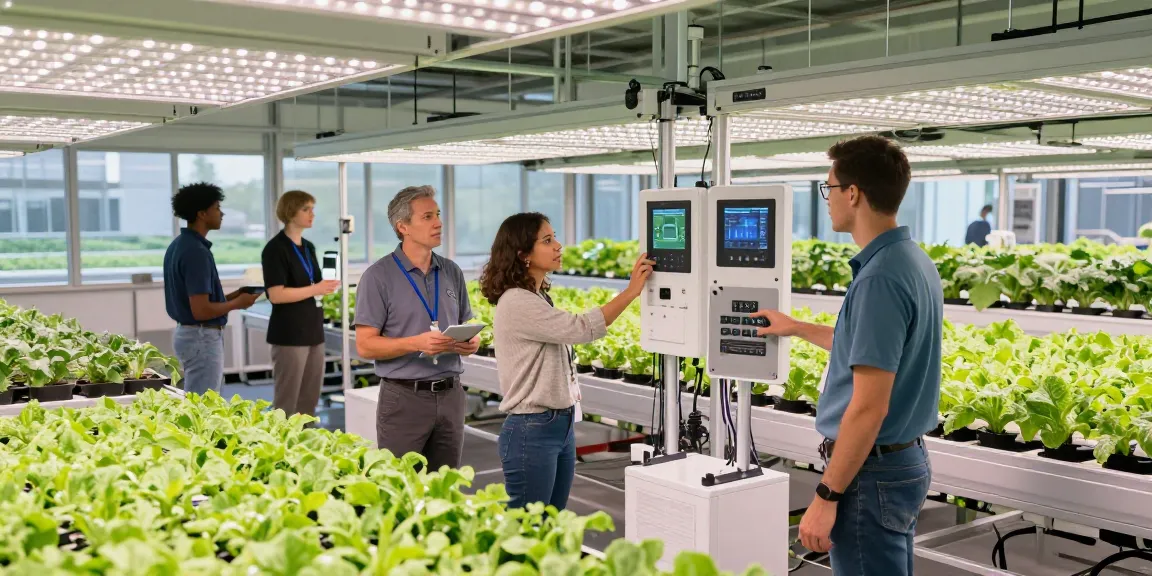
The Rise of Cika4D in Indoor Agriculture
As the global demand for food continues to escalate, the agriculture industry is witnessing a significant shift towards indoor farming solutions. Cika4D, in collaboration with DAG Facilities, is at the forefront of this transformation, providing innovative designs and construction services tailored specifically for indoor agriculture. This synergy is not merely about growing crops; it’s about revolutionizing the entire agricultural process by leveraging advanced technology and modern practices. From vertical farms to controlled horticulture environments, Cika4D offers comprehensive solutions that meet the dynamic needs of today’s farmers. When exploring options, cika4d provides comprehensive insights into the future of sustainable farming.
What is Cika4D?
Cika4D is a leading provider of design and construction services for indoor agriculture, specializing in grow rooms and vertical farming. By integrating cutting-edge technology and sustainable practices, Cika4D aims to create efficient agricultural environments that optimize crop yields and ensure stable production. The company’s expertise lies in its ability to tailor solutions for various agricultural needs, ensuring that each facility is designed to maximize both productivity and sustainability.
Understanding Indoor Agriculture Trends
The trends in indoor agriculture are rapidly evolving, influenced by factors such as climate change, urbanization, and technological advancements. More growers are turning to indoor farming as a viable option to combat the challenges posed by traditional agricultural methods. Techniques such as hydroponics, aeroponics, and the use of artificial intelligence for climate control are becoming standard practices in indoor farming. These methods not only enhance crop yield but also conserve resources like water and energy, catering to the growing demand for sustainable farming practices.
Innovative Solutions by Cika4D
Advanced Design Techniques for Grow Rooms
Cika4D employs state-of-the-art design techniques to create grow rooms that cater to specific crop types and operational needs. The design process involves an in-depth consultation to understand the client’s requirements, followed by the development of plans that integrate lighting, ventilation, and climate control systems efficiently. The focus is on creating an optimal environment that fosters growth and enhances productivity.
Integration of Technology in Agriculture
Technology plays a crucial role in modern indoor agriculture, and Cika4D is committed to harnessing these advancements. By incorporating smart sensors, automated irrigation systems, and AI-driven analytics, Cika4D helps farmers monitor and manage their crops in real-time. This integration allows for precise control over variables such as temperature, humidity, and nutrient delivery, significantly boosting crop quality and yield.
Bespoke Solutions for Various Scales
Every agricultural business is unique, which is why Cika4D offers bespoke solutions tailored to meet the distinct needs of each client. Whether it’s a small home grow operation or a large commercial facility, Cika4D’s approach ensures that every project is designed for maximum efficiency and effectiveness. They evaluate the specific goals of the business and design a facility that supports those objectives, thereby fostering sustainable growth.
Benefits of Modern Indoor Farming
Improved Yield and Crop Quality
One of the primary advantages of indoor farming is the ability to achieve higher yields and better crop quality compared to traditional farming. Controlled environments allow for year-round production, reducing the impact of seasonal variations. With systems designed by Cika4D, farmers can expect consistently high-quality produce that meets market demands.
Energy Efficiency and Sustainability
Energy efficiency is paramount in achieving sustainability in indoor agriculture. Cika4D focuses on integrating energy-efficient technologies that minimize resource consumption while maximizing output. Features such as LED lighting, which consumes significantly less energy than traditional lighting, and advanced climate control systems help reduce the overall carbon footprint of indoor farms.
Mitigating Climate Challenges
Indoor agriculture offers a solution to many climate-related challenges faced by traditional farming. By establishing farms indoors, Cika4D enables farmers to circumvent issues such as drought, flooding, and pest infestations. This resilience to external climate factors allows for a more stable and predictable production cycle, ensuring food security even in adverse conditions.
How to Get Started with Cika4D
Initial Consultation and Planning Process
The journey with Cika4D begins with an initial consultation, where clients discuss their vision and operational goals. This phase is critical as it lays the groundwork for understanding the specific needs of the project. Cika4D’s team of experts conducts a thorough assessment of the site and existing conditions, ensuring that the proposed design aligns with the client’s objectives.
Implementation Steps for Your Grow Room
After finalizing the design, the implementation phase commences. Cika4D employs a skilled construction team to bring the plans to life, ensuring that every detail is executed with precision. The implementation process typically includes the installation of all necessary systems and equipment, followed by rigorous testing to guarantee optimal functioning before the facility goes operational.
Ongoing Support and Maintenance Services
Cika4D’s commitment to clients extends beyond construction. They offer ongoing support and maintenance services to ensure that facilities operate smoothly. Regular check-ups and updates to technology ensure that the indoor farming systems remain efficient and effective, addressing any issues that may arise promptly and minimizing downtime.
The Future of Indoor Agriculture with Cika4D
Emerging Technologies and Trends for 2026
As we look towards 2026, the future of indoor agriculture seems promising with the emergence of new technologies. Innovations such as Blockchain for supply chain transparency, advanced data analytics for predictive farming, and even more sophisticated automation techniques are set to reshape the industry. Cika4D is dedicated to staying ahead of these trends, ensuring its clients benefit from the latest advancements in agricultural technology.
Real-World Success Stories
Many clients have experienced transformative success by partnering with Cika4D. One notable example includes a large-scale vertical farm that reported a 30% increase in yield within the first year of operation after implementing Cika4D’s tailored solutions. Such case studies highlight the potential of indoor agriculture when combined with expert design and technology.
Frequently Asked Questions
Many prospective clients have questions about the indoor farming process. Cika4D addresses common inquiries related to costs, timelines, and expected returns on investment. By providing informative resources and a knowledgeable support team, Cika4D ensures clients feel confident and informed throughout the journey.
How to Contact Cika4D for Your Needs?
For those interested in exploring how Cika4D can transform their indoor agriculture facilities, contacting their team is straightforward. Through their website and customer service channels, clients can initiate conversations about potential projects and request consultations tailored to their specific needs.
What Resources Are Available for Clients?
Cika4D offers a wealth of resources for its clients, from technical documentation on best practices to access to a community of growers. Clients can take advantage of webinars, training sessions, and ongoing educational materials that support their journey in indoor agriculture, fostering a culture of continuous learning and development.