Understanding the Role of a CAD Modeling Contractor
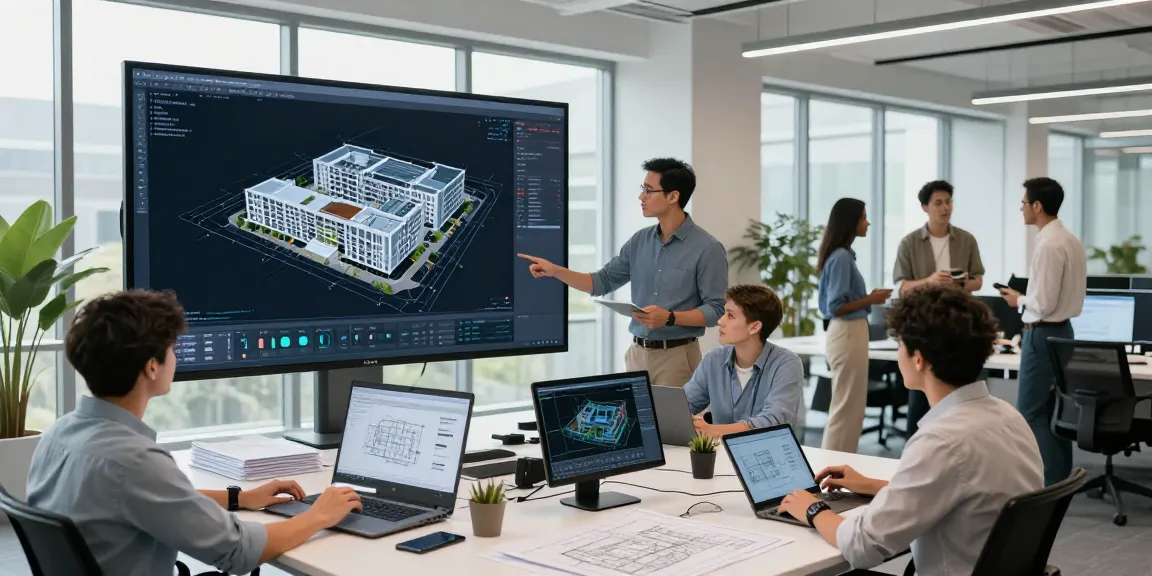
A CAD modeling contractor plays a crucial role in the architecture, engineering, and construction (AEC) industries by providing specialized services that enhance project efficiency and quality. As technology continues to evolve, these contractors are increasingly relied upon to deliver precise 2D and 3D modeling services that are pivotal for successful construction outcomes. In this dynamic field, collaborating with a skilled cad modeling contractor can significantly influence the aesthetic and functional success of a project.
What is a CAD Modeling Contractor?
A CAD (Computer-Aided Design) modeling contractor is a professional or firm that specializes in creating detailed digital models used in various fields, including architecture, engineering, manufacturing, and more. These contractors utilize CAD software to produce precise representations of construction designs, technical components, or other project-related elements. Their work serves as the backbone of the visual and functional aspects of any project, ensuring that designs are accurate and ready for implementation.
Key Responsibilities and Skills
The responsibilities of a CAD modeling contractor are multifaceted and require a unique blend of technical skills and creative vision. These include:
- Modeling and Drafting: Creating 2D and 3D models based on client specifications, sketches, and engineering drawings.
- Software Proficiency: Mastery of CAD software such as AutoCAD, ArchiCAD, and Revit, among others.
- Collaboration: Working closely with architects, engineers, and other stakeholders to ensure the accuracy and feasibility of designs.
- Quality Control: Reviewing models for errors or discrepancies before project finalization.
- Adaptation: Adjusting designs based on client feedback and changing project needs.
How CAD Modeling Enhances Architectural Projects
CAD modeling is essential for enhancing architectural projects in several ways. First, it allows for visualization of designs in a realistic manner, aiding clients in understanding complex concepts. These models can be easily modified, providing flexibility in design adjustments. Furthermore, advanced 3D models facilitate better communication between teams and stakeholders, reducing misinterpretations and errors. The use of BIM (Building Information Modeling) also ensures that all elements of the project are coordinated and well-planned, leading to smoother construction processes.
Best Practices for Hiring a CAD Modeling Contractor
Hiring a CAD modeling contractor requires careful consideration and planning. It is essential to identify your project needs clearly and align them with budget constraints to ensure successful collaboration.
Identifying Project Needs and Budgeting
Before engaging a CAD modeling contractor, it's vital to outline your project requirements. Consider the scope of work, expected deliverables, timelines, and budget. Understanding these parameters will help you communicate effectively with potential contractors and select the best fit for your project. When budgeting, remember to factor in potential revisions and additional services that may be necessary to meet project goals.
Evaluating Experience and Portfolio
Evaluating a contractor's experience and portfolio is critical in ensuring a good fit for your project. Look for contractors who have worked on similar projects or in your specific industry. Reviewing their past work can provide insights into their capabilities and style, helping you gauge whether they align with your vision. Additionally, asking for references can give you an idea of their professionalism and reliability in delivering quality work.
How to Assess Quality in CAD Services
Quality assurance in CAD services involves several aspects, including accuracy, creativity, and adherence to timelines. Ask potential contractors about their quality control processes and how they ensure that their models meet industry standards. Consider requesting a trial project or sample work to assess their capabilities before committing to a long-term contract.
Challenges Faced by CAD Modeling Contractors
Like any profession, CAD modeling contractors face challenges that can impact their work and the projects they manage. Understanding these challenges can help you navigate the contractor-client relationship more effectively.
Common Misconceptions About CAD Services
There are several misconceptions about CAD services that can lead to misunderstandings. One common myth is that CAD models are a one-size-fits-all solution. In reality, each project requires a tailored approach depending on its unique requirements.
Overcoming Technical and Creative Obstacles
CAD modeling contractors must frequently overcome technical limitations and creative obstacles. This may include software constraints, compatibility issues between different CAD systems, and the need to innovate within the confines of engineering regulations. Successful contractors are adept at problem-solving and can find creative solutions to these challenges.
Maintaining Effective Communication with Clients
Effective communication is paramount in the contractor-client relationship. Regular updates and open dialogue about project progress can help ensure alignment and address issues before they escalate. CAD modeling contractors should be skilled in articulating both technical concepts and project timelines to non-technical clients, fostering a collaborative environment.
Future Trends in CAD Modeling for 2026
As technology continues to advance, several trends are shaping the future of CAD modeling. Stay informed about these developments to ensure your projects remain competitive and innovative.
Emerging Technologies Impacting CAD Design
Emerging technologies, such as virtual reality (VR) and augmented reality (AR), are redefining how CAD models are visualized and interacted with. These tools enable immersive experiences that can enhance client presentations and project reviews, leading to better design outcomes.
Incorporating AI and Automation in Modeling Processes
Artificial intelligence (AI) and automation are becoming increasingly integral in the CAD industry. These technologies can streamline repetitive tasks, reduce human error, and enhance productivity. Contractors who embrace these tools will likely gain a competitive advantage in delivering efficient, high-quality services.
Predicted Client Demands and Industry Shifts
As sustainability becomes a higher priority, clients are likely to demand more environmentally friendly design solutions. CAD modeling contractors must be prepared to integrate sustainable practices into their work, whether it involves energy modeling, material sourcing, or waste reduction strategies.
Real-Life Case Studies of Successful CAD Modeling
Examining successful CAD modeling projects can provide valuable insights into best practices and effective strategies. Here are a few case studies that highlight the impact of skilled CAD modeling.
Case Study: Transforming Architectural Projects with CAD
A notable project involved a large commercial development where a CAD modeling contractor utilized BIM to streamline the design process. By integrating architectural, structural, and MEP (Mechanical, Electrical, and Plumbing) systems into a single model, the contractor facilitated improved collaboration among all teams, resulting in a 20% reduction in overall project time.
Lessons from Successful Freelancers in CAD Modeling
Freelance CAD modelers have showcased how adaptability and technical proficiency can lead to successful outcomes. By staying updated on the latest trends and investing in continuous learning, these freelancers have been able to maintain a robust client base, often achieving a higher rate of repeat business.
Impact of Collaborative Tools on Project Outcomes
The use of collaborative tools, such as cloud-based platforms, has transformed how CAD modeling contractors work. These tools enable real-time collaboration, making it easier for teams to share files, track changes, and communicate effectively across different locations.
How Can CAD Modeling Save Costs?
Investing in professional CAD modeling can ultimately save costs by reducing errors, minimizing rework, and improving project timelines. When teams are aligned and work from accurate models, the likelihood of costly mistakes is significantly decreased, leading to more profitable projects.
What Are the Latest Technologies in CAD Modeling?
Recent advancements in CAD technologies include enhanced rendering capabilities, integration with AI, and new tools for 3D printing. These innovations enable contractors to produce high-quality models faster and more efficiently, improving the overall client experience.
How to Choose the Right CAD Modeling Software?
Choosing the right CAD modeling software depends on various factors, including project requirements, team expertise, and budget constraints. It’s essential to evaluate software capabilities, ease of use, and the level of support available to ensure that the chosen tool aligns with your project goals.
What is the Future of CAD in Construction?
The future of CAD in the construction industry is promising, with trends indicating a shift toward more integrated and collaborative processes. As industries continue to embrace digital transformation, CAD modeling will play an increasingly vital role in achieving sustainable, efficient, and innovative design solutions.