Understanding Custom Water Treatment Systems
As the global demand for clean water continues to escalate, industries and municipalities face unprecedented challenges in managing water resources. Custom water treatment systems emerge as a vital solution, providing tailored approaches to meet unique water quality demands. These systems are not merely adaptations of existing technologies; they are innovative, bespoke designs engineered to address specific environmental and operational needs. When exploring options, Custom Water Treatment System providers like QILEE offer comprehensive insights and expertise, ensuring effective and sustainable solutions.
What is a Custom Water Treatment System?
A custom water treatment system is designed specifically to meet the unique requirements of an industry or municipality. Unlike standard systems, these custom solutions take into account various factors, including water source quality, volume, regulatory compliance, and specific usage needs. By integrating innovative technologies and methodologies, custom systems can significantly improve the efficiency and effectiveness of water treatment processes.
Key Components of Modern Systems
- Filtration Technologies: Modern systems utilize advanced filtration methods, including reverse osmosis, UV treatment, and activated carbon filtration, to remove contaminants and ensure high-quality water.
- Automation and Control Systems: Automation enhances the efficiency and reliability of water treatment processes, allowing for real-time monitoring and control of various parameters.
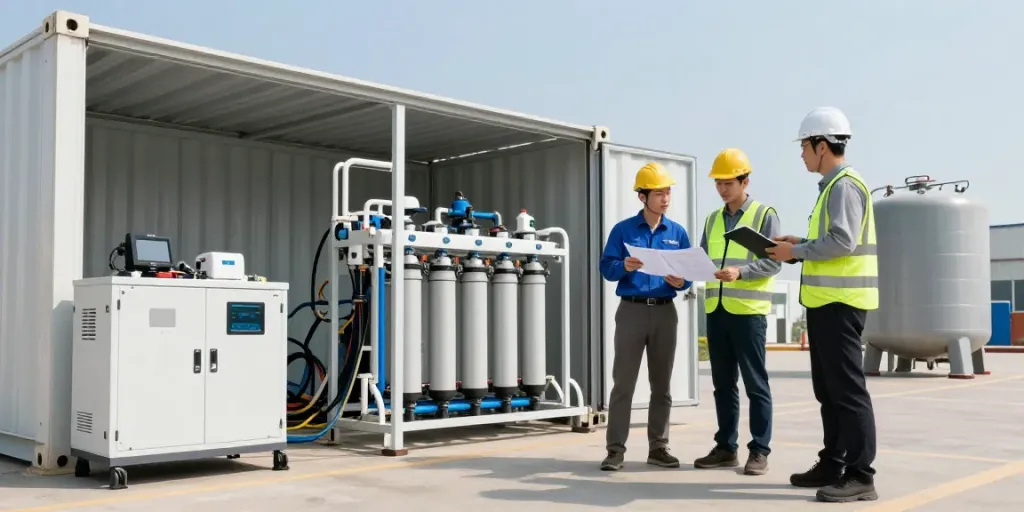
- Modular Design: Many custom systems feature modular designs that allow for scalability and adaptability, making them suitable for different capacities and needs.
Benefits of Custom Solutions Over Standard Options
Choosing a custom water treatment system offers numerous advantages over standard solutions. First and foremost, custom systems are tailored to the specific challenges posed by the water source and quality requirements. Additionally, these systems often involve optimized processes that result in higher efficiency, reduced operational costs, and improved compliance with regulatory standards. Furthermore, by utilizing the latest technology, custom systems can offer better long-term sustainability.
Applications of Custom Water Treatment Systems
Custom water treatment systems play a crucial role across various sectors, adapting to the specific needs of different applications. Here are some key areas where these systems make a substantial impact:
Industrial Wastewater Treatment
Industries generating high-difficulty wastewater require robust treatment solutions. Custom systems can effectively handle complex effluents from manufacturing, mining, and food processing, ensuring compliance with environmental regulations while recycling valuable resources.
Municipal Drinking Water Solutions
For municipalities, providing safe drinking water is paramount. Custom water treatment systems can be designed to meet local water quality standards, utilizing advanced treatment technologies to deliver clean, potable water to communities.
Emergency and Portable Water Treatment Solutions
In times of crisis, such as natural disasters or humanitarian efforts, portable water treatment systems prove essential. Custom solutions can be rapidly deployed to restore clean water access, ensuring that affected populations receive safe drinking water in emergency situations.
Key Features to Look for in a Custom Water Treatment System
Understanding the critical features of a custom water treatment system is key to making informed decisions. Below are essential aspects to consider:
Scalability and Modular Design
Custom systems should be designed with scalability in mind, allowing operators to adjust capacity as demand changes. Modular systems can be easily expanded or reconfigured without significant downtime or additional costs.
Compliance with Regulatory Standards
Ensure that any custom water treatment solution adheres to local, national, and international regulations. Compliance not only mitigates legal risks but also assures end-users of the safety and quality of the treated water.
Integration of Advanced Technologies
Modern custom systems should incorporate cutting-edge technologies, such as IoT-enabled sensors and advanced analytics, to enhance operational efficiency and reduce environmental impact.
Challenges in Implementing Custom Water Treatment Solutions
While custom water treatment systems offer numerous benefits, several challenges can arise during implementation:
Cost and Budget Considerations
Developing a custom water treatment system can require significant investment. It is essential for organizations to thoroughly analyze project costs and potential return on investment to justify expenditures.
Technical Expertise and Installation Requirements
Implementing custom systems often requires specialized knowledge and expertise. Organizations may need to invest in training or hire external consultants to ensure successful installation and operation.
Common Misconceptions About Custom Systems
Many organizations may have misconceptions regarding custom systems being overly complex or prohibitively expensive. In reality, custom solutions can be tailored to various budgets and technical requirements, often providing greater value in the long run.
Future Trends in Water Treatment Systems
The field of water treatment is evolving rapidly, driven by technological advancements and changing environmental regulations. Here are some trends shaping the future:
Innovative Technologies on the Horizon
Emerging technologies, such as machine learning and artificial intelligence, are poised to revolutionize water treatment. These innovations can enhance predictive maintenance, optimize treatment processes, and reduce energy consumption.
Regulatory Changes Influencing Design
As environmental regulations become increasingly stringent, custom systems will need to adapt to meet these new standards. This evolution will drive the development of more advanced treatment methods.
Environmental Sustainability and Climate Considerations
With a growing emphasis on sustainability, custom water treatment systems are being designed to minimize environmental impact. This includes reducing chemical usage, lowering energy consumption, and maximizing resource recovery.
What factors influence the cost of a Custom Water Treatment System?
The cost of a custom water treatment system is influenced by various factors, including the complexity of the treatment required, the types of contaminants present, and the volume of water that needs to be processed. Additionally, system design and technology choices will significantly impact overall costs.
Can I design my own Custom Water Treatment System?
Yes, organizations often collaborate with experienced manufacturers to design custom water treatment systems tailored to their specific needs. Consultation with experts ensures that all critical factors are considered in the design process.
What are the maintenance requirements for these systems?
Maintenance requirements will vary depending on the type of custom water treatment system implemented. Regular monitoring, filter replacements, and system inspections are essential for optimal performance and longevity.
How do Custom Water Treatment Systems improve water quality?
Custom water treatment systems improve water quality by integrating advanced filtration and treatment methodologies tailored to specific contaminants and water quality objectives. This leads to enhanced removal of harmful substances and safe, potable water for users.
What advancements are being made in water treatment technology?
Recent advancements in water treatment technology include the integration of smart sensors for real-time monitoring, more efficient energy usage in treatment processes, and innovative materials that enhance filtration and purification effectiveness.