Understanding Vegan Astaxanthin and Its Benefits
Vegan astaxanthin is a powerful antioxidant derived from microalgae, particularly Haematococcus pluvialis, offering numerous health benefits. Unlike traditional sources of astaxanthin, which often come from the shells of shrimp and other marine animals, vegan astaxanthin provides a plant-based alternative that is not only eco-friendly but also suitable for those following a vegan or vegetarian lifestyle. As consumer interest in plant-based supplements is on the rise, incorporating vegan astaxanthin into daily routines is gaining traction. This article explores its sources, health benefits, and how it compares to other forms of astaxanthin.
What is Vegan Astaxanthin?
Astaxanthin is a carotenoid, a class of antioxidants responsible for the reddish hue in many marine organisms. Vegan astaxanthin specifically comes from microalgae, making it an exceptional choice for those seeking plant-based nutrients. Research indicates that it has several health-promoting properties, primarily due to its potent antioxidant capacity and ability to combat oxidative stress within the body.
Health Benefits of Vegan Astaxanthin
Vegan astaxanthin boasts a plethora of health benefits that can enhance overall well-being:
- Anti-inflammatory properties: It assists in reducing inflammation, which is a precursor to many chronic diseases.
- Skin protection: It enhances skin elasticity and hydration, shielding against UV radiation damage.
- Eye health: Astaxanthin may improve visual acuity and protect against age-related macular degeneration.
- Cardiovascular benefits: It supports heart health by improving blood flow and reducing cholesterol levels.
- Enhanced exercise performance: Preliminary studies suggest it may improve endurance, reduce fatigue, and aid muscle recovery.
How Vegan Astaxanthin Compares to Traditional Sources
While traditional astaxanthin sources like krill and shrimp offer similar antioxidant properties, vegan astaxanthin has distinct advantages. It is free from animal products, making it accessible for vegetarians, vegans, and those with shellfish allergies. Furthermore, the cultivation of microalgae for astaxanthin production is less harmful to marine ecosystems, presenting a more sustainable option for health-conscious consumers.
Incorporating Vegan Astaxanthin into Your Diet
Integrating vegan astaxanthin into your daily routine can be simple and enjoyable. With a variety of products available, from supplements to food additives, there are numerous ways to benefit from this potent antioxidant.
Creative Recipes with Vegan Astaxanthin
Here are a few inventive ways to incorporate vegan astaxanthin into your meals:
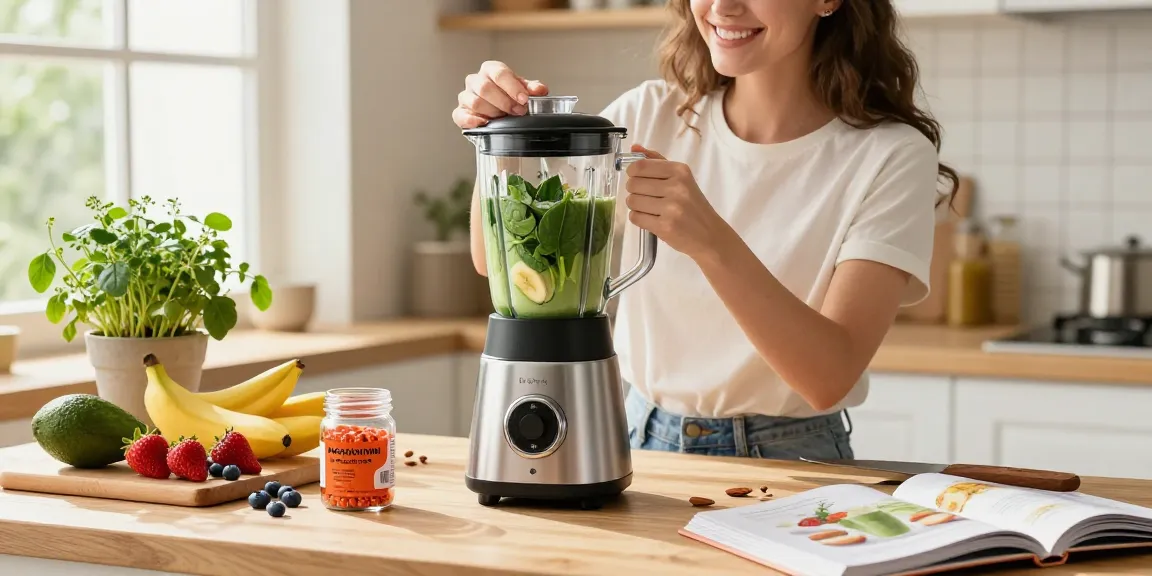
- Smoothies: Add a teaspoon of astaxanthin powder to your favorite smoothies for a nutrient boost.
- Energy Bars: Blend astaxanthin into homemade energy bars along with nuts, seeds, and dried fruits.
- Soups and Stews: Stir in astaxanthin when cooking soups for a vibrant color and added health benefits.
Dosage Recommendations for Optimal Health
The recommended dosage of vegan astaxanthin can vary based on individual health conditions and dietary needs. Typically, a daily dosage ranges from 4 to 12 mg. It is advisable to consult with a healthcare professional to determine the most suitable amount for your specific health goals and lifestyle.
Combining Vegan Astaxanthin with Other Superfoods
Vegan astaxanthin can synergize well with other superfoods to maximize health benefits. For example, combining it with:
- Spirulina: Both are nutrient-dense and complement each other's antioxidant capabilities.
- Chia Seeds: Rich in omega-3 fatty acids, they can enhance astaxanthin's anti-inflammatory effects.
- Berries: High in antioxidants and vitamins, berries work well alongside astaxanthin for enhanced health benefits.
Challenges and Misconceptions about Vegan Astaxanthin
Despite its numerous benefits, several challenges and misconceptions surround vegan astaxanthin that consumers should be aware of.
Common Misunderstandings about Vegan Astaxanthin Use
Many may believe that vegan astaxanthin is only beneficial for athletes or those with specific health conditions. However, its antioxidant properties make it advantageous for everyone, as it supports overall health by combating oxidative stress.
Addressing Allergies and Dietary Restrictions
While vegan astaxanthin is a safe option for most people, those with specific allergies to algae should exercise caution. Moreover, it’s crucial to read product labels carefully to ensure there are no additional allergens.
Overcoming Barriers to Consumption
Some individuals may have apprehensions about the taste or texture of astaxanthin products. However, by creatively incorporating it into familiar recipes, one can easily overcome these barriers and enjoy the health benefits without compromising on flavor.
Best Practices for Choosing Vegan Astaxanthin Products
Selecting high-quality vegan astaxanthin is essential to fully harness its benefits. Here are some best practices:
Identifying Quality Vegan Astaxanthin Supplements
When searching for vegan astaxanthin supplements, look for products that specify their sourcing and manufacturing processes. Third-party testing for purity and potency can also be a good indicator of quality.
How to Read Product Labels Effectively
Understanding product labels is crucial for selecting the right vegan astaxanthin. Key points to consider include:
- Active Ingredient Amount: Ensure the label specifies the amount of astaxanthin per serving.
- Source: Look for products derived from Haematococcus pluvialis, which is known for its high astaxanthin content.
- Additional Ingredients: Be cautious of fillers or additives that may reduce the product's efficacy.
Understanding Ingredient Sourcing and Sustainability
Sustainability is a growing concern in the supplement industry. Opt for brands that prioritize sustainable sourcing practices, particularly those that cultivate algae in controlled environments to reduce ecological impact.
Future Trends: Vegan Astaxanthin in 2026 and Beyond
The future of vegan astaxanthin looks promising as more consumers shift toward plant-based diets and sustainable living. Here are some anticipated trends:
Emerging Research on Vegan Astaxanthin
Ongoing research is likely to continue uncovering new health benefits of vegan astaxanthin, including its potential role in preventing chronic diseases and improving longevity.
Innovations in Vegan Astaxanthin Products
As market demand grows, manufacturers are expected to develop new and innovative vegan astaxanthin products, integrating it into functional foods, beverages, and even beauty products.
Predictions for Consumer Trends and Demand
In the coming years, consumer demand for vegan astaxanthin is projected to rise significantly, paralleling the global shift towards healthier, plant-based lifestyles. As awareness of its benefits spreads, more people will seek out this powerful antioxidant as part of their wellness regimens.
What is vegan astaxanthin and how is it sourced?
Vegan astaxanthin is sourced from microalgae, particularly Haematococcus pluvialis, through eco-friendly methods. This sourcing ensures that it is suitable for vegans and environmentally conscious consumers alike.
Can vegan astaxanthin help with skin health?
Yes, vegan astaxanthin is known for its positive effects on skin health, including increased hydration, elasticity, and protection from UV damage, making it a popular ingredient in skincare products.
Is there a recommended daily intake for vegan astaxanthin?
The recommended daily intake for vegan astaxanthin typically falls between 4 and 12 mg, depending on individual health needs and goals.
How can I incorporate vegan astaxanthin into my smoothies?
Adding vegan astaxanthin to smoothies is simple; just blend a teaspoon of the powder with fruits, vegetables, and your choice of liquid for a nutritious boost.
What should I look for when purchasing vegan astaxanthin products?
When purchasing vegan astaxanthin, it's important to consider the source, purity, and whether it has been tested for quality by third-party organizations.