Understanding Convector Heaters
As winter approaches, homeowners often seek reliable and efficient heating solutions. Among these, the convector heater has gained popularity due to its effectiveness and versatility. This guide delves into the workings of convector heaters, their advantages, and how to choose the right model for your needs.
What Is a Convector Heater?
A convector heater is an electric heating device designed to warm a room through the natural convection of air. It operates by drawing cold air into the unit through vents located at the bottom, heating that air via an internal heating element, and subsequently releasing the warm air back into the room through vents at the top. This process allows the heater to circulate air continuously, creating a comfortably warm environment without the necessity of moving parts, like fans.
How Do Convector Heaters Work?
The operation of electric convector heaters is straightforward yet efficient. The heating element, typically made from materials like aluminum, converts electrical energy into heat. When switched on, the heater warms the air that passes over it. The warm air becomes less dense than the cooler air surrounding it, causing it to rise. As it does so, cooler air is drawn in to replace it. This cycle continues until the desired room temperature is achieved, which is often controlled via a built-in thermostat.
Common Applications for Convector Heaters
Due to their design and functionality, convector heaters are suitable for various applications. They are ideal for heating individual rooms, such as bedrooms, home offices, and living rooms. Additionally, they can serve as supplementary heat sources in larger spaces or homes lacking effective central heating. Their compact design also makes them a practical choice for renters or those needing flexibility in heating solutions.
Choosing the Right Convector Heater for Your Space
When selecting a convector heater, it’s essential to consider several factors to ensure optimal performance and efficiency. Understanding the nuances between models can significantly affect your overall heating experience.
Wall-Mounted vs. Freestanding Models
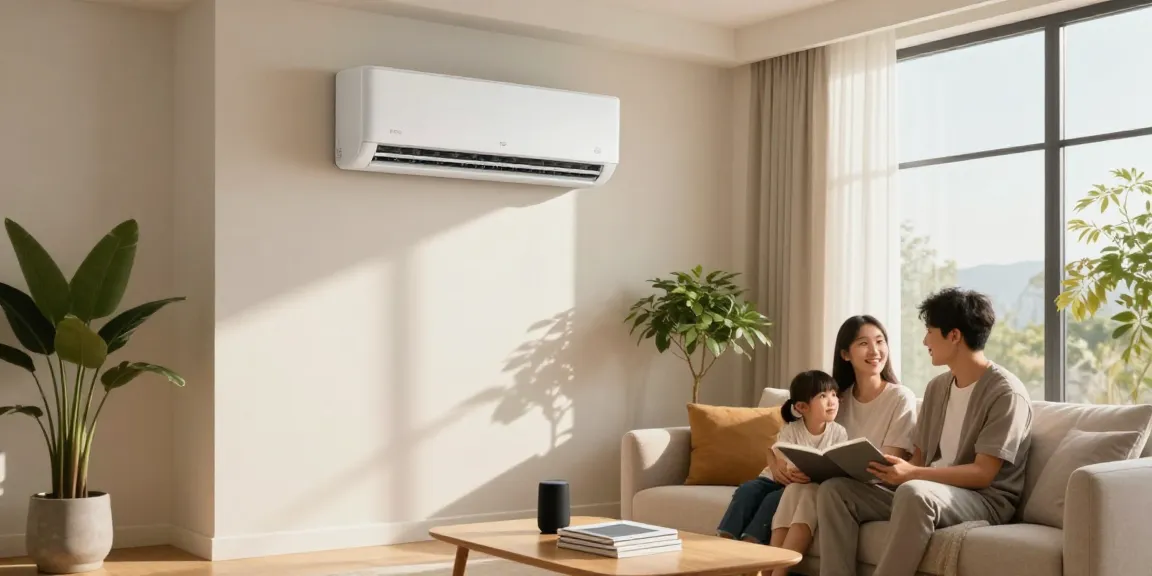
Deciding between wall-mounted and freestanding convector heaters depends on your specific needs and living arrangements. Wall-mounted units are ideal for fixed installations in spaces where floor area is at a premium, like small bedrooms or offices. They can contribute to a cleaner aesthetic and free up valuable floor space. On the other hand, freestanding models offer mobility and flexibility, allowing you to move the heater between different rooms as needed, making them suitable for use in rental properties or during temporary heating needs.
Factors to Consider for Efficient Heating
- Room Size: Calculate the heater's wattage based on the area you wish to heat. As a general rule, you need about 100 watts per square meter in well-insulated homes.
- Insulation: Consider the insulation of your space. Better insulation means less heating power is required.
- Usage Frequency: Determine how often you will use the heater to select energy-efficient models that offer smart features.
How Much Power Do You Need?
Determining the right wattage for your convector heater is crucial for efficient heating. Measure your room's dimensions and calculate the required wattage based on the size and insulation quality. For example, a room of 20 square meters may need a heater with at least 2000 watts, although this can vary depending on how well the room retains heat.
Operating Costs and Energy Efficiency
Electric heating can be more expensive than other energy sources; therefore, understanding the operational costs associated with your convector heater can help you manage your expenses effectively.
Electricity Consumption of Convector Heaters
The electricity usage of a convector heater can be calculated using the formula: electricity used (kWh) = heater power (kW) × running time (hours). For instance, if you have a 2000-watt heater running for three hours, it will consume 6 kWh. Monitoring your heater’s running time and wattage is crucial to avoid unexpected high electricity bills.
Smart Features to Reduce Running Costs
Many modern convector heaters come equipped with smart technology, allowing users to manage heating schedules through mobile apps or voice commands. Features such as programmable timers and thermostats can help maintain a comfortable temperature while minimizing energy usage. For example, setting the heater to operate only when the room is occupied can lead to significant savings over time.
Understanding Electricity Tariffs and Energy Savings
Be mindful of your electricity tariff, particularly if you can take advantage of lower off-peak rates. Utilizing your convector heater during these cheaper hours can make a substantial difference in overall running costs. Additionally, many utility companies offer time-of-use rates, which charge different prices for electricity depending on the time of day.
Safety Precautions When Using Convector Heaters
While convector heaters are generally safe, following safety guidelines can prevent accidents and ensure efficient operation. Here are some essential safety precautions to keep in mind.
Installation and Placement Guidelines
Proper installation and placement of your convector heater are crucial for both efficiency and safety. Ensure that the heater is placed at least 50 cm from any furniture or curtains and that it isn’t obstructed by any objects. For wall-mounted models, follow the manufacturer's instructions carefully to ensure it is securely attached to the wall.
Common Safety Features to Look For
When selecting a convector heater, look for safety features such as overheat protection, which automatically turns off the heater if it gets too hot. Additionally, some models come with tip-over protection, ensuring that the heater shuts off if it is knocked over.
Preventing Overheating and Related Hazards
Never cover your convector heater with clothing or other materials, as this can lead to overheating and potential fire hazards. Regularly inspect your heater for signs of wear or damage, and ensure that it is clean and free from dust and debris to maintain optimal performance.
FAQs About Convector Heaters
Does a convector heater use a lot of electricity?
Electric convector heaters can consume a considerable amount of electricity, depending on their wattage and how long they are used. It is essential to consider both the heater's power rating and any additional factors such as insulation and room size.
What are the disadvantages of a convector heater?
While convector heaters are efficient for localized heating, they may not be the best option for heating large open spaces or poorly insulated rooms. Additionally, they operate silently, which might not suit everyone, particularly in settings where background noise is preferred.
Can I use a convector heater in my bathroom?
Most convector heaters are not suitable for bathrooms unless they carry an appropriate Ingress Protection (IP) rating, typically IP24 or higher. Always check the manufacturer's guidelines before using a heater in a wet area.
Which is better, a fan or a convector heater?
Choosing between a fan heater and a convector heater largely depends on your heating needs. While fan heaters can quickly heat a room, convector heaters provide a more consistent and even warmth without the noise and dryness often associated with fans.
How do I maintain my convector heater?
Maintenance for a convector heater generally involves regular cleaning to prevent dust buildup and ensuring vents are not obstructed. Additionally, check for any wear and tear, and ensure all safety features are functional to prolong the life of your heater.