Understanding Mini Split Systems
Mini split systems have emerged as a versatile solution for heating and cooling homes, increasingly favored by homeowners and businesses alike. These compact systems offer flexibility, efficiency, and cost-effectiveness, making them ideal for a variety of applications. When exploring options, mini split air conditioners can provide comprehensive insights into modern HVAC solutions.
What is a Mini Split System?
A mini split system, often referred to as a ductless air conditioning system, consists of an outdoor compressor unit and one or more indoor air handling units. This setup eliminates the need for ductwork, offering a streamlined installation process and efficiency. Mini splits are capable of providing both heating and cooling, making them a versatile option for climate control in various settings from single rooms to entire homes.
Components of a Mini Split System
- Outdoor Unit: The outdoor compressor/condenser unit is responsible for dissipating heat absorbed from the indoor air.
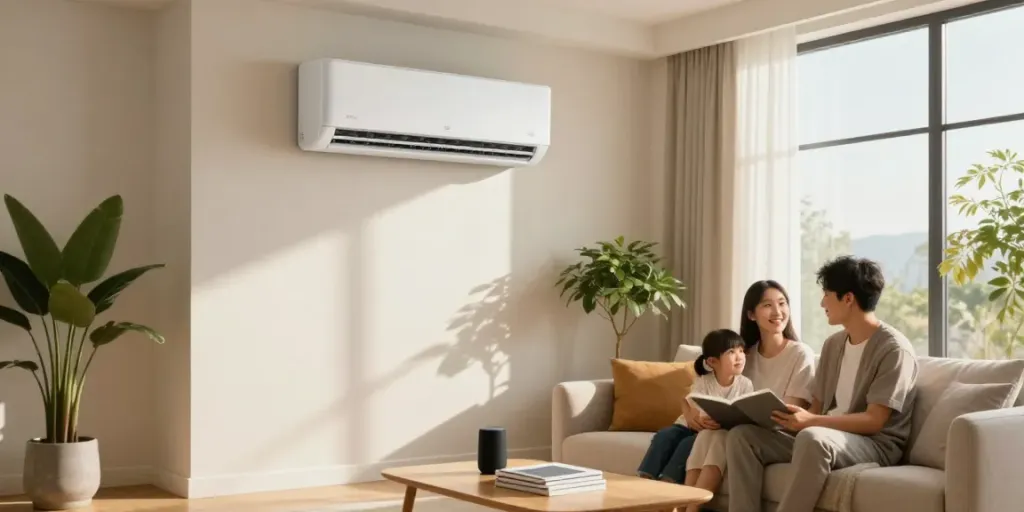
- Indoor Unit: These units, mounted on walls or ceilings, distribute the conditioned air throughout the space.
- Refrigerant Lines: Copper lines transport refrigerant between the indoor and outdoor components, maintaining efficiency and performance.
- Thermostatic Expansion Valve (TXV): This component regulates the amount of refrigerant entering the evaporator, optimizing cooling output.
Benefits of Mini Split Systems
Mini split systems offer several advantages that make them appealing compared to traditional HVAC systems:
- Energy Efficiency: Many mini splits achieve high SEER (Seasonal Energy Efficiency Ratio) ratings, reducing electricity consumption.
- Zone Control: With individual thermostats for each indoor unit, homeowners can maintain different temperatures in different rooms.
- Quiet Operation: Mini splits operate at lower noise levels compared to conventional systems, enhancing comfort.
- Flexible Installation: The ductless feature allows for installation in spaces where traditional ductwork is impractical.
Choosing the Right Mini Split for Your Home
When selecting a mini split system, it's crucial to understand your specific heating and cooling needs. Various brands and models offer different features, efficiency ratings, and prices, so informed choices will lead to better satisfaction and performance.
Assessing Your Cooling and Heating Needs
Begin by evaluating the space you want to cool or heat. Factors such as square footage, insulation quality, and the number of windows significantly impact the size and type of mini split system needed. Professional HVAC assessments can guide homeowners in determining the correct BTU (British Thermal Unit) capacity for optimal performance.
Energy Efficiency Ratings Explained
Understanding energy efficiency ratings is key to selecting a mini split system that saves money in the long run. Look for systems with high SEER ratings (above 16 is considered excellent) and HSPF (Heating Seasonal Performance Factor) ratings for heating efficiency. Products with the ENERGY STAR label confirm adherence to stringent efficiency guidelines.
Comparative Analysis of Popular Mini Split Brands
Many brands offer mini split systems, including Mitsubishi, Daikin, and LG. Each brand has unique features, warranties, and price points. For instance, Mitsubishi is renowned for reliability and performance, while Daikin is often praised for its innovative technology. Assessing consumer reviews and seeking expert opinions can further aid in making an informed choice.
Installation Considerations for Mini Split Systems
Proper installation is crucial for ensuring the longevity and efficiency of your mini split system. Whether opting for a DIY installation or hiring a professional, there are significant considerations to keep in mind.
Best Practices for Installing Mini Splits
For optimal results, follow best practices when installing mini split systems. This includes careful placement of indoor units to ensure efficient airflow and avoiding installation in direct sunlight or heat sources. Additionally, ensuring proper sealing of refrigerant lines is vital for performance.
Common Installation Mistakes to Avoid
Common pitfalls during installation include incorrect sizing of units, improper placement of indoor units, and neglecting to secure refrigerant connections. These errors can lead to decreased efficiency and higher utility bills.
Hiring Professional vs. DIY Installation
While many homeowners consider installing mini splits themselves, it is essential to weigh the pros and cons. Professional installation ensures compliance with local building codes, proper functionality, and often includes a warranty. However, experienced DIYers can save costs and tackle installation successfully with the right tools and preparations.
Maintaining Your Mini Split System
To ensure longevity and optimal performance, routine maintenance is essential for mini split systems. Regular upkeep can prevent unexpected breakdowns and enhance energy efficiency.
Routine Maintenance Tips for Longevity
- Clean or Replace Filters: Dirty filters restrict airflow and decrease efficiency. Check and clean or replace them monthly during heavy use.
- Inspect Drain Lines: Ensure that condensate drain lines are unobstructed to prevent water damage and mold growth.
- Schedule Professional Check-Ups: Annual inspections by licensed HVAC technicians can identify and remedy potential issues before they escalate.
Troubleshooting Common Issues
Common problems with mini split systems include inadequate cooling, unexpected noises, and frequent cycling. Diagnosing these issues early can save money and prolong system life. Checking filters, ensuring adequate refrigerant levels, and confirming thermostat settings can often resolve these problems.
Seasonal Preparation for Optimal Performance
Preparing your mini split system for seasonal changes is vital. Before the heating season, prepare by checking the outdoor unit for snow or ice build-up, and ensure that all filters are clean. For summer use, inspect the indoor units for any dust accumulation.
Future Trends in Mini Split Technology
As technology evolves, mini split systems are becoming more advanced, featuring enhancements that improve efficiency and user experience.
Emerging Technologies in HVAC Systems
Smart home integration is one of the most significant trends. Many mini splits now offer Wi-Fi connectivity, allowing users to control their systems remotely through smartphone apps. Advanced variable-speed compressors are also gaining traction, offering precise temperature control and further energy savings.
Environmental Impact of Mini Split Systems
Mini split systems generally have a lower environmental impact compared to traditional HVAC systems due to their efficiency and reduced energy consumption. As manufacturers focus on eco-friendly refrigerants, the overall carbon footprint of mini splits is likely to decrease further.
Predictions for Mini Split Development by 2026
Looking ahead, the mini split market is expected to grow significantly. As energy efficiency regulations tighten, manufacturers will innovate to meet these standards while enhancing user convenience. Anticipate more models with integrated smart technology and higher SEER ratings becoming mainstream.
What are the advantages of a mini split system?
Mini split systems offer numerous advantages including energy efficiency, flexible installation options, and zone control. They are particularly useful for retrofits where ductwork is impractical.
How much does it cost to install a mini split system?
The cost of installing a mini split system can vary widely based on capacity, brand, and labor. On average, homeowners can expect to pay between $3,000 to $5,000 for installation, but prices may fluctuate depending on specific needs and local market conditions.
Can mini splits effectively heat a home?
Yes, mini splits can effectively heat a home, even in colder climates, thanks to their heat pump technology. Many models are designed to maintain efficiency in temperatures as low as -5°F.
How do mini splits compare to traditional HVAC systems?
Mini splits have distinct advantages over traditional systems; they are more energy-efficient (due to lack of duct losses), allow for individualized temperature control, and are easier to install without extensive remodeling.
What maintenance is required for mini split units?
Routine maintenance for mini splits includes cleaning or replacing filters, checking refrigerant levels, and scheduling professional inspections annually to ensure optimal performance.