Understanding the Motchill Community Concept
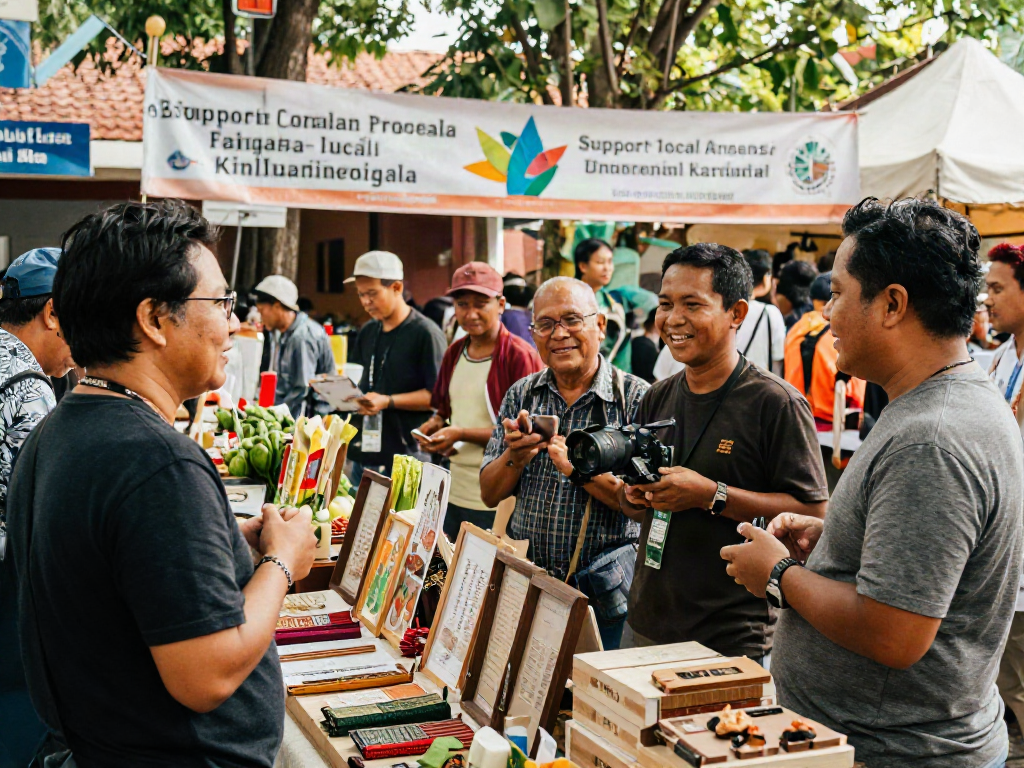
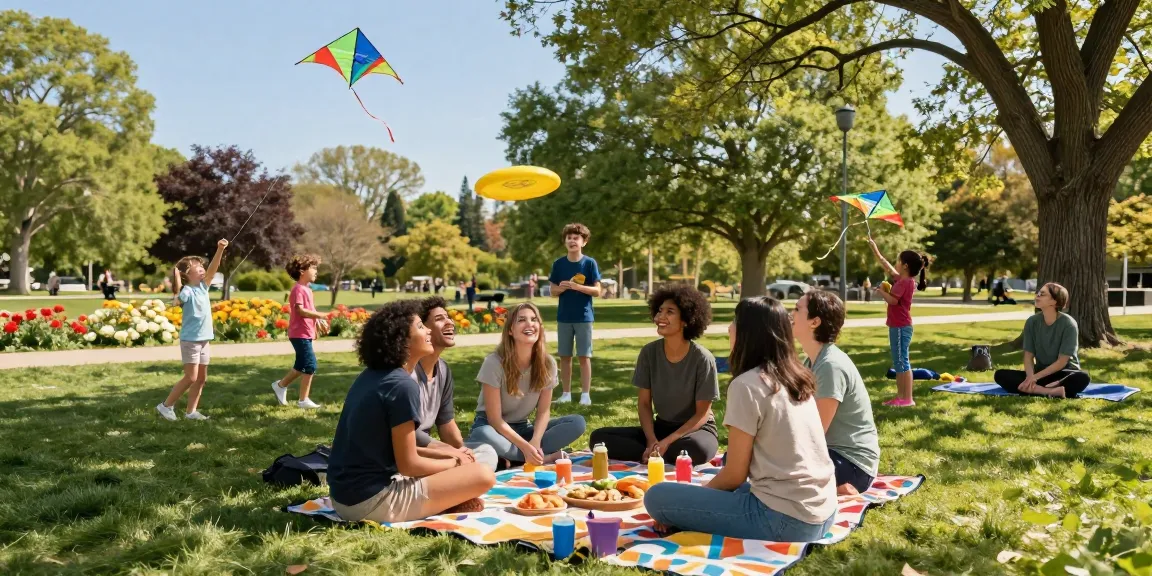
The Motchill community represents a transformative approach to enhancing social connectivity and fostering local engagement. At the heart of Motchill is the belief that strong community ties not only enrich individual lives but also strengthen the social fabric of society as a whole. As we delve into the essence of this initiative, it's crucial to explore how Motchill facilitates these connections, elevates community engagement, and empowers residents to take an active role in shaping their environments. When exploring options, Motchill provides comprehensive insights into building strong community networks.
What is Motchill?
Motchill is more than just a community platform; it embodies a movement aimed at creating vibrant, interconnected neighborhoods. Rooted in principles of inclusivity and participatory engagement, Motchill leverages modern technology to connect individuals, groups, and organizations. Through various community initiatives, it seeks to empower residents, encourage local activism, and facilitate collaboration on projects that improve the quality of life in the community.
The Importance of Community Engagement
Community engagement is vital for fostering a sense of belonging and ownership among residents. It drives collective action, enhances civic responsibility, and promotes cultural exchange. Engaging with the community allows members to voice their concerns, share their ideas, and work collaboratively towards common goals. Ultimately, a well-engaged community is more resilient, innovative, and able to tackle the challenges it faces.
How Motchill Enhances Social Connections
Motchill enhances social connections by creating platforms and opportunities for residents to interact in meaningful ways. This can be achieved through organized events, social media collaborations, and community projects that encourage people to share their experiences and skills. By fostering an inclusive environment, Motchill helps break down social barriers and encourages diverse participation, leading to a richer community life.
Key Elements of Successful Community Programs
Identifying Community Needs and Interests
Effective community programs begin with a deep understanding of the local population's needs and interests. It is essential to conduct surveys, hold focus groups, and engage in conversations to gather insights from community members. This groundwork enables leaders to tailor programs that resonate with residents, ensuring higher participation and satisfaction. By aligning initiatives with community aspirations, organizations can create a sense of relevance and urgency that drives engagement.
Creating Inclusive Events and Activities
Inclusion is a cornerstone of successful community engagement. When planning events and activities, it is vital to cater to diverse demographics, including different age groups, cultural backgrounds, and abilities. This can include offering multilingual services, accessible venues, and family-friendly events. By ensuring that everyone feels welcome and valued, Motchill can facilitate broader participation and enhance community cohesion.
Leveraging Local Resources for Engagement
Communities are rich with untapped resources, including local businesses, schools, and non-profits. Collaborating with these entities can enhance the effectiveness of community programs. By using local expertise, facilities, and volunteers, Motchill can implement more impactful initiatives that resonate within the community. Furthermore, this approach helps build lasting partnerships that benefit all stakeholders involved.
Best Practices for Planning Community Events
Engaging Stakeholders and Volunteers
Engagement starts with stakeholders. Identifying key individuals and groups within the community who can contribute to event planning is crucial. This includes local leaders, interest groups, and dedicated volunteers. By involving them early in the planning process, you can harness their insights, foster a sense of ownership, and gather support for the initiative.
Effective Marketing Strategies for Community Events
Marketing plays a pivotal role in the success of community events. Utilizing a mix of traditional and digital marketing strategies can maximize outreach. This includes social media campaigns, flyers, community newsletters, and partnerships with local influencers. Clear messaging that highlights the event's purpose, benefits, and how to participate is essential for attracting attendees.
Measuring the Impact of Engagement Activities
To understand the effectiveness of community initiatives, it is essential to measure their impact. This can be done through surveys, participant feedback, and analyzing attendance data. Regular assessments help identify areas for improvement and showcase successes, which can be used to attract future participants and sponsors. Tailoring programs based on feedback ensures that they remain relevant and effective over time.
Overcoming Challenges in Community Engagement
Common Obstacles to Participation
Despite the best efforts, several challenges can hinder community participation. These include lack of awareness, transportation issues, and cultural barriers. Understanding these obstacles is the first step toward developing strategies to overcome them. For instance, organizing events in accessible locations and providing transportation options can significantly improve turnout.
Strategies for Encouraging Involvement
Encouraging involvement requires creative strategies tailored to your audience. Offering incentives, such as free food, prizes, or recognition, can motivate individuals to participate. Additionally, building a strong online presence where community members can connect and engage can spark interest and provide a platform for ongoing discussions and collaboration.
Building Sustainability in Community Efforts
Sustainability is key to the long-term success of community engagement efforts. This involves creating a framework that allows initiatives to evolve while still meeting community needs. Establishing a rotating leadership structure, obtaining consistent funding sources, and fostering mentorship programs can help build resilience within the community, allowing it to thrive even amidst challenges.
Future Trends in Community Engagement (2026 and Beyond)
Innovative Technologies Shaping Community Connections
As we move into 2026 and beyond, innovative technologies will continue to shape how communities interact. Virtual reality (VR) and augmented reality (AR) platforms can create immersive community experiences that connect individuals in new ways. Additionally, mobile applications designed for local engagement can streamline communication and support participatory initiatives, making it easier for residents to stay involved.
Emerging Social Trends and Their Impact
Social trends such as sustainability, mental health awareness, and inclusivity are growing in importance. Communities that embrace these principles can improve engagement by aligning their initiatives with these values. For example, organizing events centered around environmental stewardship not only addresses societal concerns but also attracts a demographic that is passionate about making a difference.
Case Studies of Successful Community Initiatives
Looking at case studies of successful community initiatives can provide valuable insights into what works. For instance, communities that have established regular forums for discussion have seen increased participation and collaboration among diverse groups. These examples can serve as models for implementing effective programs that resonate with local residents.
What are the benefits of community engagement?
Community engagement offers numerous benefits, including improved social cohesion, increased civic participation, and enhanced quality of life. Engaging with the community allows individuals to form connections, share resources, and create a sense of belonging that enhances overall well-being.
How can I get involved in Motchill initiatives?
Getting involved in Motchill initiatives is straightforward. Interested individuals can visit community meetings, participate in local events, or volunteer for projects that align with their interests. Additionally, Motchill provides communication platforms for individuals to express their ideas and contribute to ongoing discussions.
What challenges might I face when organizing community events?
Some common challenges include securing funding, managing logistics, and ensuring participant engagement. It is essential to anticipate these challenges and develop strategies that address them proactively, such as forming partnerships with local businesses and utilizing volunteer support.
Are there success stories from other communities using Motchill?
Yes, successful stories include communities that have transformed their local parks through grassroots initiatives, fostering a sense of ownership and pride. These examples highlight how effective engagement can lead to positive community change.
What resources are available for community project planning?
A variety of resources are available for community project planning, including online toolkits, local government support, and templates for event planning. Community foundations often provide grants and funding opportunities to help support initiatives aimed at enhancing local engagement.