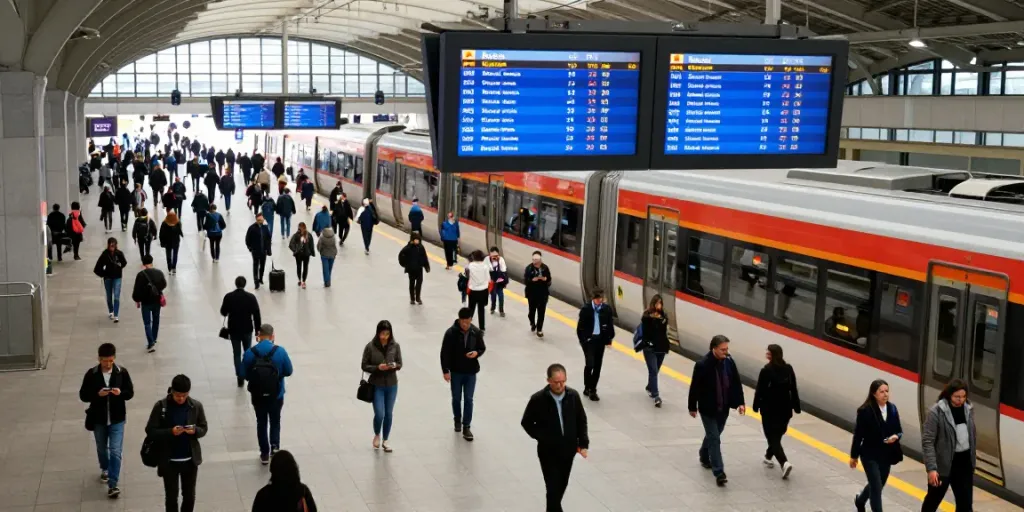
Understanding the Causes of Transport Delays
Transport delays are an increasingly common issue faced by commuters around the globe. With the growing reliance on public transport systems such as trains, buses, and metros, understanding the factors that contribute to these delays is essential for effective travel planning. Various elements, including operational challenges, infrastructure deficiencies, and external influences such as weather conditions, play significant roles in causing disruptions. Furthermore, advanced technologies now allow us to track these delays in real-time, offering insights that can help mitigate their impact on daily commutes. For those seeking comprehensive insights into transport delays, various resources are available to provide timely information.
Common Factors Contributing to Delays
Delays in transportation can stem from a variety of sources, each with its own implications for commuters. Among the most frequent causes are:
- Operational Failures: Mechanical issues, human errors, and equipment malfunctions can lead to significant delays in schedules.
- Increased Demand: When the number of passengers exceeds the transport system's capacity, delays can occur as services struggle to accommodate everyone.
- Accidents: Road accidents involving buses or collisions on train tracks often result in service interruptions and delays.
Impact of Weather on Transport Systems
Weather conditions can dramatically affect transportation reliability. For instance, severe storms, heavy snowfall, and icy conditions can lead to service suspensions or slowdowns. Public transport systems may face challenges such as:
- Visibility Issues: Fog or heavy rain can reduce visibility, impacting driving safety and leading to slower speeds.
- Traffic Congestion: Adverse weather can impede traffic flow, causing delays across all forms of transport.
- Infrastructure Damage: Extreme weather can damage tracks, signals, and other vital infrastructure, leading to extensive repair times.
Infrastructure Challenges and Solutions
Infrastructure plays a critical role in the efficiency of transport systems. Aging infrastructure can lead to frequent breakdowns and delays. Solutions include:
- Upgrading Systems: Investing in more modern transport infrastructure can help reduce delays and improve overall reliability.
- Regular Maintenance: Implementing consistent maintenance schedules can prevent unexpected failures that cause delays.
- Smart Technology: Utilizing smart technology for monitoring and maintenance can enhance reactive planning for potential delays.
The Role of Technology in Mitigating Delays
The advent of technology has significantly transformed how transport systems operate, enabling the reduction of delays through various innovations. Real-time information systems and mobile applications provide users with essential updates, greatly reducing uncertainty in travel plans.
Real-Time Information and Notifications
One of the most critical developments in public transport is the integration of real-time tracking systems. Commuters can now receive immediate updates about delays, cancellations, and service changes, allowing them to adjust their plans accordingly. These systems are vital in a landscape where timely information can make or break a commuting experience.
Advanced Scheduling and Routing Systems
Advanced algorithms and data analytics have improved the scheduling and routing of public transport. By analyzing patterns in commuter behavior, these systems can optimize routes and schedules, reducing travel times and minimizing delays.
How Apps Can Help Commuters
Mobile applications dedicated to transport updates are becoming increasingly popular. These apps not only provide real-time data but also offer features such as fare calculation, alternative routing options, and notifications tailored to user preferences. Commuters can take advantage of these tools to navigate transport delays more effectively.
Effects of Transport Delays on Commuters
The repercussions of transport delays extend beyond mere inconvenience; they can also affect commuters psychologically and financially. Understanding these effects can aid in developing strategies to mitigate their impact.
Psychological Impacts of Delays
Commuters often experience frustration, anxiety, and even anger as a result of delays. The unpredictability of transport schedules can lead to feelings of helplessness, particularly for those who rely on public transport for work or other commitments.
Financial Implications for Daily Commuters
Delays can have significant financial ramifications, especially for those whose employment relies on punctuality. For example, late arrivals can result in lost wages or even job loss. Additionally, delays may lead to increased expenses such as alternative transport or unanticipated overtime costs.
Planning Strategies for Avoiding Delays
To cope with the potential for transport delays, commuters can adopt various planning strategies:
- Allow Extra Travel Time: Always adding buffer time to your journey can accommodate unforeseen delays.
- Stay Informed: Regularly check transport updates before your departure.
- Explore Alternatives: Familiarizing yourself with multiple transport options can provide backup plans in case of delays.
Future Trends in Transport Management
The landscape of public transport is rapidly evolving, driven by technological advancements and changing commuter needs. As 2026 approaches, several trends are shaping the future of transport management.
Emerging Technologies in Public Transport
Cutting-edge technologies such as artificial intelligence and machine learning are paving the way for smarter transport systems. These technologies enable predictive analytics, optimizing routes, and improving service delivery to minimize delays.
Predictions for Transport Systems in 2026
In the coming years, we expect to see an increase in integrated transport services, where different modes of transport seamlessly work together. Innovations such as autonomous vehicles and drone deliveries may also come to the forefront, further redefining transport experiences.
Sustainability and Efficiency Initiatives
With a growing emphasis on sustainability, transport systems are also focusing on reducing their carbon footprint. Electrification of transport vehicles and the introduction of eco-friendly transport solutions are crucial for enhancing efficiency while minimizing environmental impact.
How to Stay Informed About Transport Delays
Staying updated on transport delays is essential for successful commuting. Here are several methods to ensure you are always informed:
Using Mobile Apps for Real-Time Updates
Mobile apps are increasingly becoming the go-to resource for commuters seeking updates on transport delays. By allowing users to select their preferred routes and receive notifications, these applications enhance the commuting experience.
Connecting with Local Transport Authorities
Following local transport authorities on social media or through their websites can be a great way to receive timely updates directly from the source. Many agencies now provide real-time information tailored to commuters' needs.
Best Practices for Commuter Preparedness
Being prepared can significantly mitigate the stress of unexpected delays. Here are a few best practices:
- Have a Backup Plan: If your primary mode of transport fails, knowing alternative routes can save you time.
- Group Travel: Organizing carpools or group travel can reduce costs and increase reliability.
What Are the Main Benefits of Transport Apps?
Transport apps provide various benefits, including real-time updates, route planning, and alternative options. These features empower commuters with the information they need to avoid delays and enhance their travel experience.
How Can I Access Real-Time Transport Updates?
Transport updates can typically be accessed via dedicated mobile apps, websites, or social media channels of transport authorities. Utilizing a combination of these resources allows for a comprehensive understanding of the transport landscape.
What Should I Do During Unexpected Delays?
During unexpected delays, remain calm and consider your options. Check your transport app for updates and communicate with your employer or other relevant parties about potential delays.
Are There Any Alternatives to Traditional Transport?
With advancements in technology, alternatives such as ride-sharing services, e-bikes, and scooters have become viable options for commuters. Exploring these alternatives can provide flexibility and convenience.
How Can I Optimize My Daily Commute?
Optimizing your commute involves planning ahead, utilizing technology for real-time updates, and being open to alternative transport options. A proactive approach can greatly enhance your overall commuting experience.