Understanding Tree House Life: The New Trend in Eco-Friendly Living
Tree house life has transcended its childhood allure, evolving into a sustainable lifestyle that resonates with many seeking a deeper connection with nature. These elevated sanctuaries not only offer whimsical living arrangements but also promote environmental stewardship. As eco-consciousness rises globally, the trend of residing in treehouses has found its niche, captivating those who wish to blend luxury with sustainability. When exploring options, tree house life embodies this harmony between nature and modernity.
What is Tree House Life?
Tree house life refers to the practice of living in or utilizing treehouses as functional structures for leisure or habitation. These unique dwellings range from simplistic playhouses to luxurious retreats equipped with modern amenities. The concept embraces a paradigm where individuals can escape the chaos of urban living, retreating to elevated spaces that encourage relaxation amid the natural world. Treehouses serve various purposes, from family getaways to full-time homes, showcasing versatility and creativity in design.
The Environmental Benefits of Tree Houses
Adopting tree house life brings numerous environmental advantages. Firstly, these structures often require fewer resources than traditional homes, especially if designed with eco-friendly materials. The elevated nature of tree houses reduces the need for extensive land development, preserving natural habitats and encouraging biodiversity. Moreover, treehouses are often built with sustainable practices in mind, incorporating solar power, rainwater harvesting, and composting systems, contributing to a lower carbon footprint.
Types of Tree Houses: From Simple to Luxury
Treehouse designs vary widely, accommodating diverse preferences and budgets. Simple treehouses can be constructed using basic wooden platforms and ladders, creating a space for children or as a personal retreat. Conversely, luxury treehouses resemble high-end accommodations, featuring spacious interiors, plumbing, electricity, and exquisite views. Some even include amenities such as hot tubs or gourmet kitchens, catering to those who desire a more opulent experience without sacrificing their connection to nature.
Designing the Perfect Tree House: Key Considerations
Creating a treehouse that complements the surrounding environment while serving its intended purpose requires thoughtful design. Start by considering the specific needs and preferences of its users, which will guide the structural and aesthetic elements. A well-designed treehouse should harmonize with its natural surroundings, ensuring safety and functionality.
Choosing the Right Location and Trees
Selecting the perfect location is crucial to tree house life. Ideal trees should possess a sturdy trunk and a strong root system to support the structure safely. Furthermore, choosing a site that is shielded from strong winds and easily accessible enhances the overall experience. Before construction, it is essential to assess local regulations and ensure that the chosen location complies with safety standards.
Design Features That Enhance Tree House Life
Design features play a vital role in improving the overall functionality and aesthetic of a treehouse. Incorporating large windows can provide breathtaking views and enhance natural light, while decks and outdoor seating areas create additional living spaces. Sustainable materials, such as reclaimed wood and eco-friendly insulation, should be prioritized to align with the principles of sustainable living. Furthermore, designs that promote airflow and regulate temperature will make the treehouse more comfortable throughout the seasons.
Safety Measures and Building Regulations
Safety is paramount in treehouse construction. Adhering to building regulations is essential, ensuring that structures are compliant with local laws. This may include obtaining necessary permits and conducting structural assessments. Additionally, incorporating safety features such as sturdy railings, secure ladders, and slip-resistant surfaces will protect users, especially children, while enjoying their elevated abode.
Building Your Dream Tree House: Step-by-Step Guide
Building a treehouse can be a rewarding project, whether you're a seasoned craftsman or a beginner. Follow these steps to create a safe and functional sanctuary in the treetops.
Essential Tools and Materials Needed
Before diving into construction, gather essential tools such as a circular saw, hammer, drill, measuring tape, and level. Materials like treated lumber, secure fasteners, and protective coatings will ensure the longevity of the structure. Having a detailed list of needed materials will streamline the process and prevent unnecessary trips to the hardware store.
Planning Your Design: Blueprints and Layouts
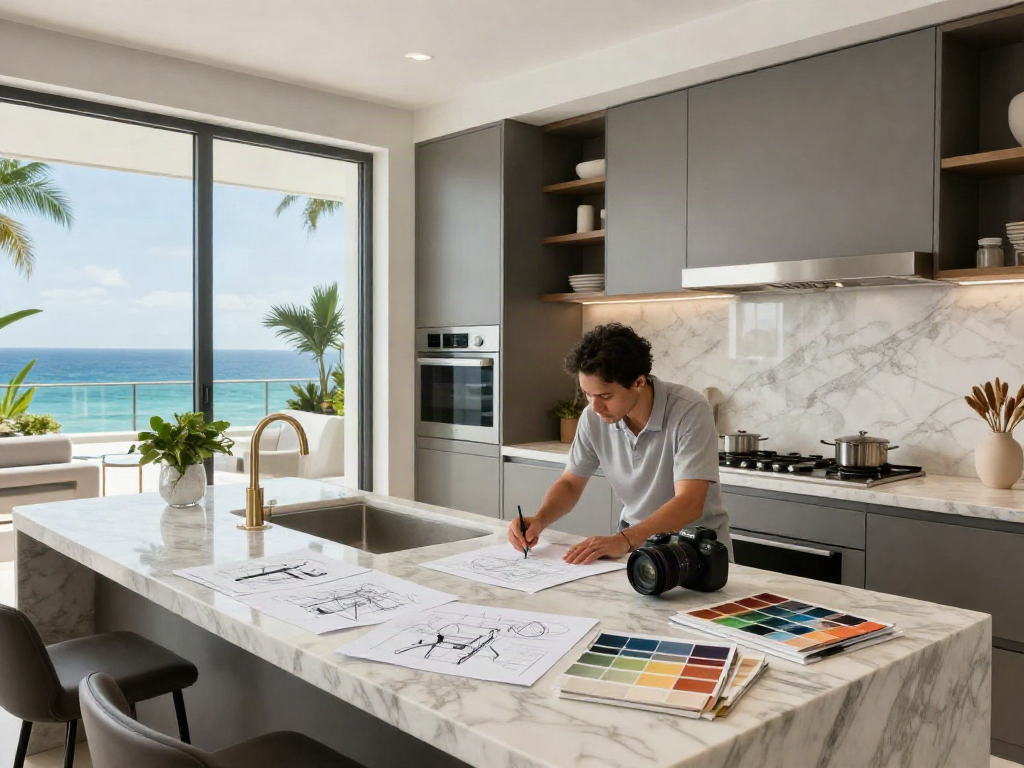
Creating blueprints is a crucial step that offers a visual representation of your treehouse. These designs should include precise measurements, layouts, and structural elements. Using software or hand-drawn sketches can help visualize the final product. Consider the intended functionality—whether it’s a kid's playhouse, a guest suite, or a quiet workspace—and design accordingly.
Construction Tips for Beginners
For those new to construction, tackling a treehouse project can seem daunting. Start by enlisting the help of experienced friends or family members who can offer guidance. Begin with a solid foundation, ensuring that each leg is securely attached and that the structure is level. As you build, regularly check for stability and safety to avoid costly adjustments later. Take your time, enjoy the process, and soon you will have a unique retreat in the trees.
Integrating Sustainability into Your Tree House Life
Sustainability is at the heart of tree house life. Building practices that prioritise eco-friendliness not only reduce environmental impact but also create a tranquil living space that resonates with nature.
Using Eco-Friendly Materials
When selecting materials for your treehouse, choose sustainably sourced products. Reclaimed wood, bamboo, or even recycled materials can reduce waste and give the structure a unique character. These eco-friendly choices not only benefit the environment but can also enhance the aesthetic appeal of the treehouse.
Water and Energy Solutions for Tree Houses
Implementing water and energy-efficient systems will significantly reduce the carbon footprint of your treehouse. Solar panels can supply renewable energy, while rainwater harvesting systems provide an eco-friendly water source. Consider installing composting toilets or greywater systems to conserve water and eliminate environmental harm.
Creating a Garden or Green Roof
Incorporating a garden or green roof into your treehouse design enhances both beauty and sustainability. A green roof can help with insulation, reduce runoff, and provide additional space for flora. Growing herbs or vegetables on-site allows for fresh produce and connects inhabitants further with their natural surroundings.
Experiencing Tree House Life: Activities and Community
Living in or spending time in a treehouse can lead to a plethora of activities that foster family bonding and community connections.
Outdoor Activities for Families in Tree Houses
Treehouses provide the perfect environment for a variety of outdoor activities. Families can enjoy picnics on the deck, stargazing at night, or nature walks in the surrounding woods. The elevated nature of these homes encourages exploration and adventure, making it a fantastic retreat for families.
Connecting with Other Tree House Enthusiasts
Joining communities dedicated to tree house living can enhance the experience. Engaging with other enthusiasts through forums, social groups, or local events can provide inspiration, tips, and friendships. These connections often lead to shared experiences and mutual support in projects, making the journey of building and living in a treehouse even more enriching.
Future Trends in Tree House Living for 2026
As tree house life continues to gain popularity, we expect to see numerous trends emerge in 2026. Innovations in sustainable building materials, smart home technologies, and eco-friendly designs will redefine modern tree houses. Moreover, more individuals will incorporate eco-tourism into their lifestyles, renting out treehouses as vacation properties, which supports local economies while promoting environmental consciousness.
How long do treehouses last?
The longevity of a treehouse largely depends on the materials used and the care taken during construction. A well-built treehouse can last for decades, particularly if regularly maintained and cared for.
Can you live in a treehouse full time?
Yes, many individuals and families are choosing to live in treehouses full time, with modern designs accommodating all the necessary amenities for comfortable living.
What are the legal requirements for building a treehouse?
Legal requirements vary by location, with some municipalities requiring permits or adherence to specific codes. It’s essential to check local regulations before beginning construction.
Are treehouses suitable for all types of trees?
Not all trees are suitable for supporting a treehouse. Ideal tree species include oak, maple, and fir, which possess strong trunks and root systems capable of bearing weight.
How much does it cost to build a treehouse?
The cost of building a treehouse can vary significantly based on size, materials, and design. Basic structures may start around a few thousand pounds, while luxury versions can reach upwards of £50,000 or more, reflecting the high-end finishes and amenities included.