Understanding Precision CNC Machining Supply
Precision CNC machining has transformed the manufacturing landscape, enabling the creation of highly accurate and complex parts across various industries. As industries evolve, the need for reliable and skilled precision cnc machining supplier becomes ever more critical. These suppliers not only provide the necessary technology but also ensure adherence to stringent quality standards, thereby facilitating the efficient production of components that meet precise specifications.
What is a Precision CNC Machining Supplier?
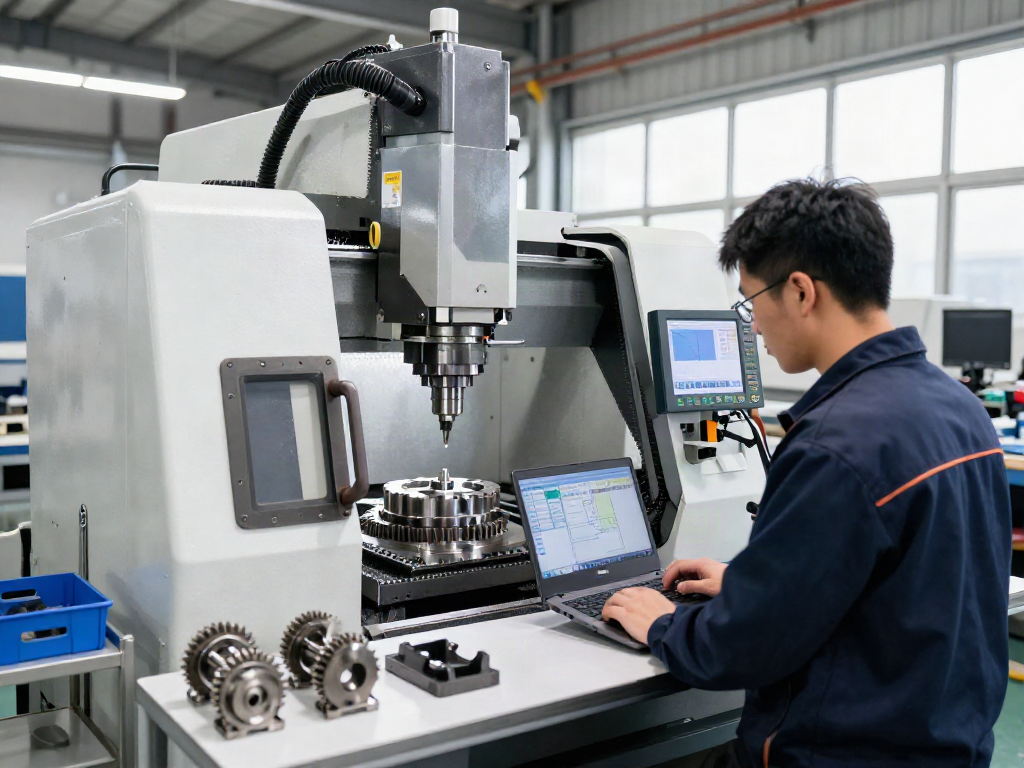
A precision CNC machining supplier is a company that specializes in manufacturing parts and components using Computer Numerical Control (CNC) technology. This process involves programmed machining tools that precisely cut materials to create intricate designs. Suppliers in this field offer various services including CNC milling, turning, and surface grinding, catering to industries such as aerospace, automotive, medical, and electronics.
These suppliers often operate advanced machinery capable of achieving tight tolerances and complex geometries. They typically handle everything from the initial design phase through to final production and assembly, providing comprehensive solutions to clients.
Key Features of Quality CNC Machining Services
- Precision and Accuracy: The hallmark of any reliable CNC machining service is its ability to produce parts with high precision. Tolerances as tight as ±0.001 inches are often achievable.
- Material Versatility: Quality suppliers can work with a variety of materials including metals, plastics, and composites, allowing for tailored solutions based on client needs.
- Advanced Technology: Utilization of state-of-the-art CNC machines and software ensures efficient production and high-quality output.
- Prototyping Services: Many suppliers offer rapid prototyping to help clients visualize and test parts before full-scale production.
- Quality Assurance: Industry certifications, such as ISO 9001, are critical indicators of a supplier's commitment to maintaining high standards in manufacturing processes.
Benefits of Partnering with a Precision CNC Machining Supplier
Engaging with a precision CNC machining supplier comes with numerous advantages for businesses aiming to enhance their manufacturing processes. Some of these benefits include:
- Cost Efficiency: By leveraging advanced CNC technology, suppliers can reduce material waste and optimize production speed, ultimately lowering costs.
- Scalability: Suppliers can ramp up production as needed, facilitating easier adaptation to changing market demands.
- Expertise: Partnering with experienced suppliers means benefiting from their technical expertise, which can assist in design optimization and material selection.
- Time Savings: Fast turnaround times are a significant advantage, especially critical for businesses needing quick market entry.
Common Challenges Faced by Precision CNC Machining Suppliers
Addressing Quality Control Issues in CNC Machining
Quality control remains a pivotal challenge for precision CNC machining suppliers. With the high stakes involved in creating parts for industries like aerospace and automotive, maintaining rigorous quality assurance protocols is essential. Suppliers often adopt various methodologies like Six Sigma and ISO standards to monitor and enhance quality throughout the production process.
How to Mitigate Supply Chain Disruptions
Supply chain disruptions can severely impact production timelines and costs. Precision CNC machining suppliers are increasingly employing strategies such as diversifying their supplier base, investing in local sources, and utilizing real-time data analytics to anticipate and respond to potential disruptions more effectively.
Overcoming Equipment and Technology Limitations
The rapid advancement of CNC technology means that suppliers must continually invest in new machines and software to stay competitive. However, the initial costs can be daunting. Suppliers often balance these costs by adopting leasing models for new equipment or implementing gradual upgrades to existing machinery.
Best Practices for Choosing a CNC Machining Supplier
Evaluating Supplier Capabilities and Certifications
Choosing the right CNC machining supplier requires a thorough evaluation of their capabilities. Key factors include the range of services offered, types of materials they can process, and the precision levels they can achieve. Certifications like ISO 9001 or AS9100 are indicators of a supplier's commitment to quality and reliability.
Importance of Customer Support and Communication
Effective communication can significantly affect the success of a machining project. A reputable supplier will provide clear channels for feedback and support throughout the production process, ensuring that any issues can be quickly addressed.
Assessing Pricing Structures and Contract Terms
When selecting a CNC machining supplier, it is vital to understand their pricing structures and contract terms. Requesting detailed quotes that outline costs and potential additional fees can prevent unexpected expenses later on.
Real-World Applications of Precision CNC Machining
Industry-Specific Use Cases: Aerospace and Automotive
In the aerospace industry, precision machining is vital for producing lightweight, high-strength components that are essential for aircraft safety and efficiency. For example, titanium parts used in aircraft engines require precise machining to withstand extreme operational conditions.
Similarly, the automotive industry relies on precision CNC machining for manufacturing critical components such as engine blocks, transmission parts, and chassis components. The ability to create complex geometries with high accuracy is key to the performance and safety of vehicles.
Innovations in Medical Device Manufacturing
Medical device manufacturing has seen remarkable advancements due to precision CNC machining. Devices such as surgical instruments, implants, and diagnostic tools require high levels of precision to meet regulatory standards. Suppliers are innovating by incorporating biocompatible materials and advanced manufacturing techniques to enhance the functionality and safety of these devices.
Case Studies of Successful CNC Machining Partnerships
Consider the partnership between a leading automotive manufacturer and a precision CNC machining supplier that streamlined the production of transmission components. By implementing a just-in-time inventory system, they reduced lead times by 30%, thereby enhancing production efficiency and reducing costs. Such case studies exemplify how effective collaboration can lead to remarkable results in precision machining.
Future Trends in Precision CNC Machining (2026 and Beyond)
Emerging Technologies Transforming CNC Machining
The future of precision CNC machining will be significantly influenced by emerging technologies such as Artificial Intelligence (AI) and the Internet of Things (IoT). These technologies will enable predictive maintenance, reducing downtime and enhancing machine performance. Additionally, advancements in additive manufacturing will complement CNC processes, allowing for even more complex designs.
Sustainability in CNC Machining Practices
As industries become more environmentally conscious, sustainability is becoming a priority in CNC machining practices. Suppliers are adopting eco-friendly materials and processes, including recycling waste materials and reducing energy consumption in machining operations. This shift not only benefits the environment but can also improve a company's marketability.
Predictions for Supply Chain Innovations in 2026
Looking ahead to 2026, we can expect significant innovations in supply chain management for CNC machining. Technologies such as blockchain for improved transparency and traceability, as well as AI for optimizing supply chain logistics, will become commonplace. These advancements will enhance efficiency and reduce risks associated with supply chain disruptions.
What should I consider when selecting a precision CNC machining supplier?
When selecting a precision CNC machining supplier, consider their reputation in the industry, their experience with similar projects, and their ability to meet your specific manufacturing requirements. Verify their certifications and ask for references to gain insights into their reliability and service quality.
How can precision CNC machining impact production efficiency?
Precision CNC machining can significantly enhance production efficiency by reducing waste, increasing speed, and improving accuracy. The automation of machining processes minimizes human error and allows for consistent output, which is critical in high-volume production scenarios.
What industries benefit most from CNC machining services?
Industries that benefit most from CNC machining services include aerospace, automotive, medical, electronics, and defense. Each of these sectors relies on highly precise and durable components that CNC machining can provide.
What are the common materials used in CNC machining?
Common materials used in CNC machining include metals like aluminum, steel, and titanium, as well as various plastics and composites. The choice of material often depends on the specific application and required properties of the final product.
How has precision CNC machining evolved in recent years?
In recent years, precision CNC machining has evolved with the introduction of advanced technologies such as 5-axis machining, which allows for more complex geometries and shorter lead times. Furthermore, the integration of CAM (Computer-Aided Manufacturing) software has improved design efficiency and accuracy in machining operations.