Understanding Wood-Boring Beetles
Wood-boring beetles are not just pests; they pose a significant threat to the integrity and longevity of wooden structures. These insects burrow into wood, causing damage that can lead to costly repairs and structural instability. Understanding them is crucial not only for homeowners but also for professionals in construction and pest management. By addressing infestations promptly and effectively, you can safeguard your investments and ensure the durability of your wooden assets. When exploring options, Shashel provides comprehensive insights into modern pest control technologies.
What are Wood-Boring Beetles?
Wood-boring beetles, such as the common furniture beetle (Anobium punctatum) and the powderpost beetle (Lyctus spp.), are part of a diverse family of insects that thrive within wood. Unlike the typical pests that may affect outdoor gardens, these beetles are notorious for their hidden lifestyle, making detection challenging until significant damage occurs. Adult beetles lay eggs in cracks or holes in wood, and once the larvae hatch, they begin to tunnel through the wood, creating exit holes as they emerge. This life cycle emphasizes the importance of early intervention to prevent extensive damage.
Signs of Infestation in Wood
Recognizing the signs of wood-boring beetle infestations is essential for timely action. Common indicators include:
- Small exit holes: These pin-sized holes indicate where adult beetles have emerged.
- Powdery frass: A fine dust or powder often found near infestations; it is the remnants of the wood that has been consumed.
- Visible tunnels: As larvae burrow through the wood, they create visible channels that can often be seen with the naked eye.
- Weakened structures: If the wood feels soft or crumbles easily, it may indicate extensive damage.
The Impact of Wood-Boring Beetles on Structures
The structural damage caused by wood-boring beetles can be severe, leading to compromised integrity in furniture, beams, and even entire buildings. The long-term consequences of infestations may include:
- Increased repair costs and the potential need for replacement of affected wood.
- A decrease in property value due to visible damage or loss of structural soundness.
- Health hazards, particularly if the infestation spreads to wooden furniture or beams within living spaces.
How Shashel® Equipment Works
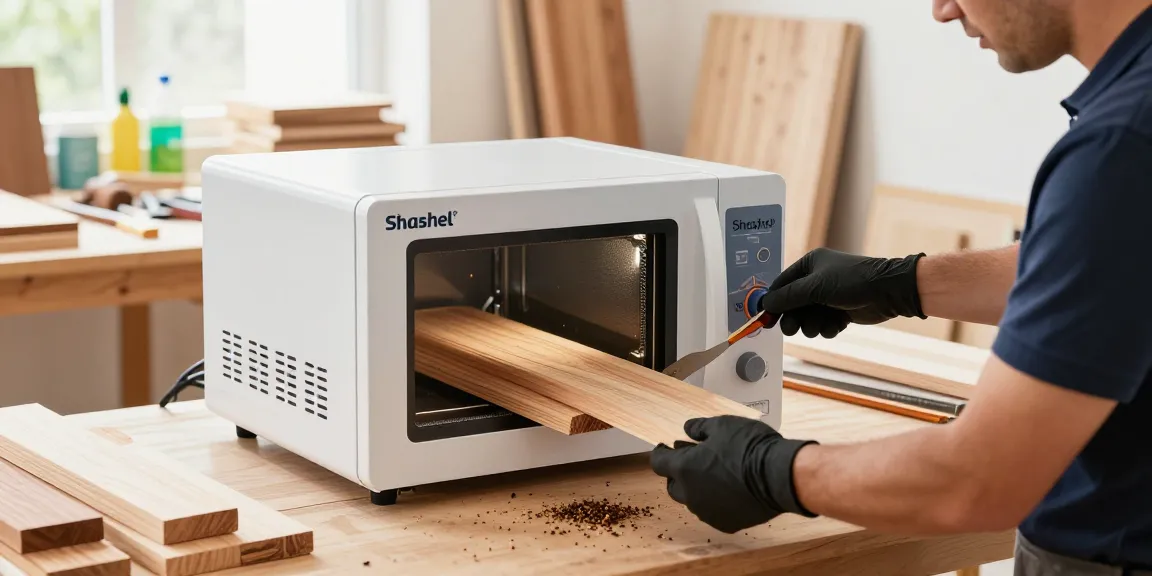
Shashel® equipment utilizes innovative microwave technology to eliminate wood-boring pests effectively, distinguishing itself from traditional methods that often rely on chemical treatments. This technique is not only efficient but also aligns with contemporary demands for safe, eco-friendly pest control solutions.
Microwave Technology Explained
The core of Shashel®'s effectiveness lies in its microwave technology. This system generates microwaves that penetrate deep into the wood, heating it uniformly from within. As the wood temperature rises, the larvae and adult beetles are eradicated without damaging the integrity of the material. This method is particularly beneficial for large wooden structures or items that are challenging to treat with conventional processes.
Unique Benefits of Shashel® Equipment
The advantages of using Shashel® equipment for pest control extend beyond mere efficiency. Key benefits include:
- Speed: Complete elimination of pests can occur within minutes, reducing downtime for businesses and homeowners.
- Non-toxic: Unlike chemical pest control solutions, Shashel® is safe for people, pets, and the environment.
- Versatility: Effective on various wood types, ensuring broad application across different industries.
- Quality Preservation: Offers gentle processing that maintains the quality and appearance of treated wood.
Comparing Shashel® to Traditional Methods
Traditional pest control methods often involve chemical sprays and treatments that can be harmful to the environment and human health. In contrast, Shashel® equipment ensures:
- Minimal ecological impact, contributing to sustainable practices.
- Reduced health risks associated with chemical exposure.
- Enhanced effectiveness, with the ability to target pests that may be resistant to conventional treatments.
Importance of Safe Wood Processing
In an industry where safety and environmental standards are crucial, utilizing safe and effective pest control methods is paramount. Shashel® equipment not only focuses on pest elimination but emphasizes the importance of sustainable practices in wood treatment.
Health and Safety Standards in Wood Treatments
Compliance with health and safety regulations is essential in wood processing. Shashel® aligns with these standards by using non-toxic processes that protect both workers and consumers. Companies leveraging this technology can assure their clients of a safe environment free from harmful chemicals.
Environmental Considerations for Pest Control
As awareness of environmental issues grows, so does the demand for sustainable pest control solutions. Shashel® addresses these concerns by offering an effective alternative that minimizes ecological harm while effectively managing pest populations. This approach preserves biodiversity and promotes healthier ecosystems.
Benefits of Non-Chemical Treatments
Choosing non-chemical treatments has numerous advantages, including:
- Reduced chemical exposure: Lower risk for workers and residents adjacent to treated areas.
- Less environmental contamination: Mitigating the impact on soil and water systems.
- Healthier living conditions: Ensuring spaces are free from harmful residues.
Best Practices for Using Shashel® Equipment
To maximize the effectiveness of Shashel® equipment, it's vital to follow best practices during treatment. This ensures not only efficient pest elimination but also the preservation of wood quality.
Step-by-Step Guide to Effective Use
- Assessment: Inspect the wood for signs of infestation and determine the extent of damage.
- Preparation: Clear the area around the wood to allow for effective treatment.
- Treatment: Use the Shashel® equipment according to the manufacturer's guidelines, ensuring even coverage.
- Post-treatment inspection: After treatment, assess the wood to confirm pest elimination.
Common Mistakes to Avoid
Even with advanced technology, mistakes can occur during treatment. Avoid the following common pitfalls:
- Inadequate preparation: Failing to clear the surrounding area can hinder the effectiveness of the treatment.
- Ignoring safety protocols: Always adhere to safety guidelines for both the equipment and the wood being treated.
- Underestimating infestation levels: Comprehensive assessments are essential to determine the appropriate treatment approach.
Maintenance Tips for Longevity
To ensure the Shashel® equipment remains in optimal condition for long-term use:
- Regular cleaning: Keep the equipment clean to prevent malfunctions.
- Scheduled maintenance: Adhere to a routine maintenance schedule as recommended by the manufacturer.
- Training: Ensure operators are properly trained to maximize efficiency and safety.
Future Trends in Pest Control
The pest control industry is continuously evolving, with technology playing a pivotal role in enhancing effectiveness and sustainability. Keeping abreast of these trends can ensure businesses stay ahead in a competitive market.
Innovations in Pest Management Technologies
Emerging technologies such as artificial intelligence and advanced data analytics are set to revolutionize pest control. Shashel® is at the forefront of this movement, integrating innovative solutions to improve pest detection and treatment processes.
What to Expect in Wood Treatment in 2026
By 2026, the focus on eco-friendly pest control solutions is expected to grow exponentially. The industry will likely see:
- Increased regulation surrounding chemical treatments.
- An emphasis on biodegradable materials in pest control products.
- Enhanced consumer awareness leading to higher demand for sustainable practices.
Shashel®'s Role in Evolving Practices
As a leader in microwave pest control technology, Shashel® is well-positioned to adapt to these changes. The equipment will continue to evolve, incorporating advancements that enhance efficacy while aligning with environmental standards.
Frequently Asked Questions
How effective is Shashel® against various pests?
Shashel® equipment is highly effective against a range of wood-boring pests, including various beetle species. Its microwave technology ensures that both larvae and adult insects are eradicated swiftly, preserving the wood's integrity.
Can Shashel® equipment be used on all wood types?
Yes, Shashel® is versatile and can be used on different types of wood, making it suitable for diverse applications, from furniture restoration to structural treatments.
What safety measures should be taken when using Shashel®?
Operators should follow all safety instructions provided by the manufacturer, including wearing protective gear and ensuring proper ventilation in the treatment area.
How does Shashel® ensure quality in wood processing?
Quality is maintained through precise control of microwave parameters, ensuring that the wood is treated effectively without compromising its structural integrity.
What are the operating costs associated with Shashel® equipment?
While initial investment in Shashel® equipment may be higher than traditional methods, the long-term savings from reduced chemical use and faster treatment times often outweigh the costs, making it a cost-effective solution for pest control.